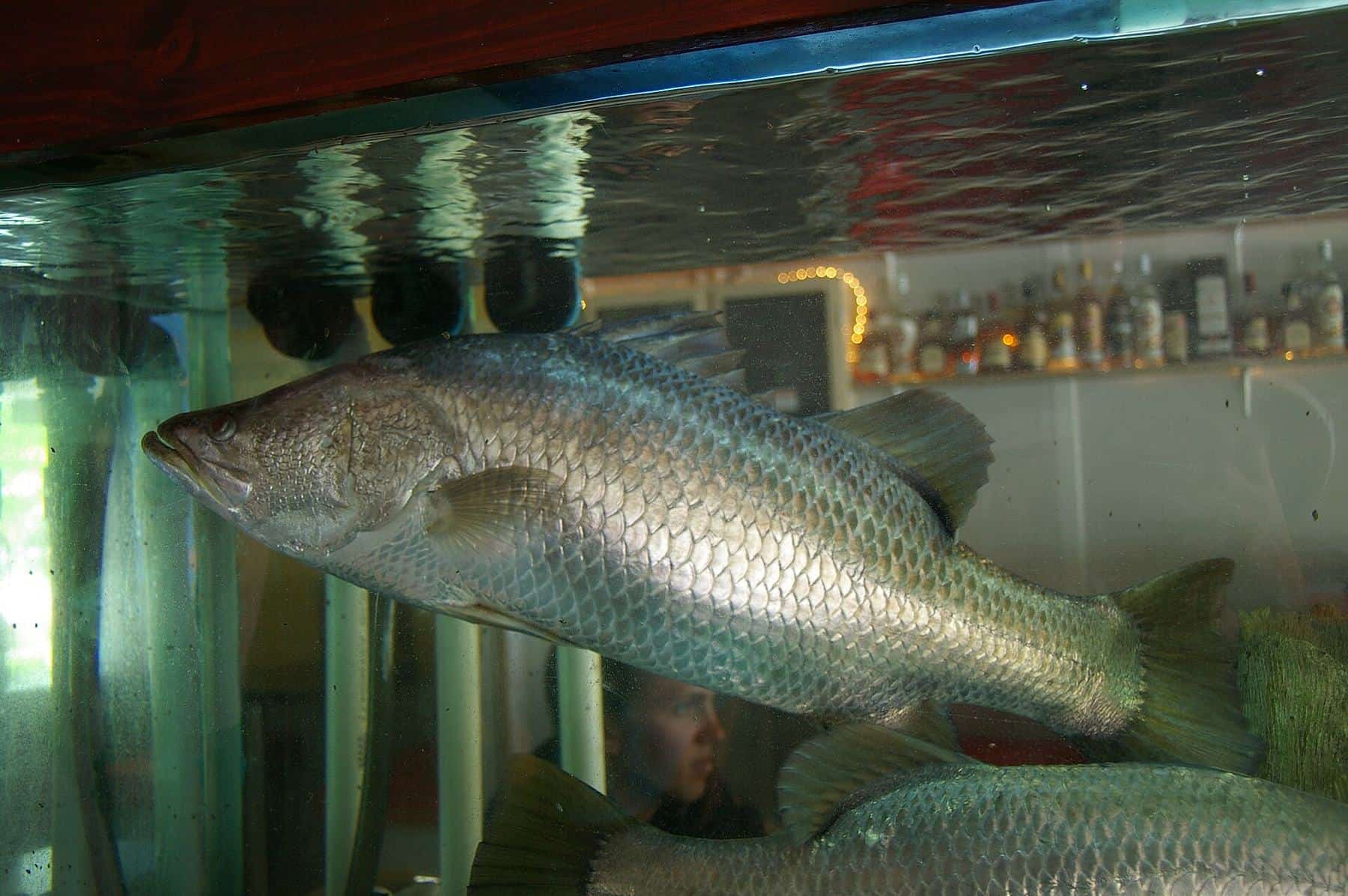
If barramundi are the headline act on Cape York, mangrove jack are the brawlers. They live deep in snags and rock bars, hit lures with violence and head straight back to cover, testing tackle and nerves. Fingermark, a close relative, are prized for their fight and their eating quality, and are found around rocky structure in estuaries and coastal waters.
This guide covers both fish: what they are, where they live, how to target them, and the rules and safety points that matter.
Mangrove jack
150 cm
Maximum recorded length
80 cm most common
Oct–Mar
NE Qld spawning
Peak around December
1.3 million
Eggs
From a 4.6 kg female
The mangrove jack (Lutjanus argentimaculatus) is also known as the mangrove red snapper, among many other names. Despite the name, it is a snapper of the family Lutjanidae, and it is not closely related to bream, jacks (trevally) or barramundi. It is found across the Indian Ocean and western Pacific, from Africa to Samoa and south to Australia.
Appearance
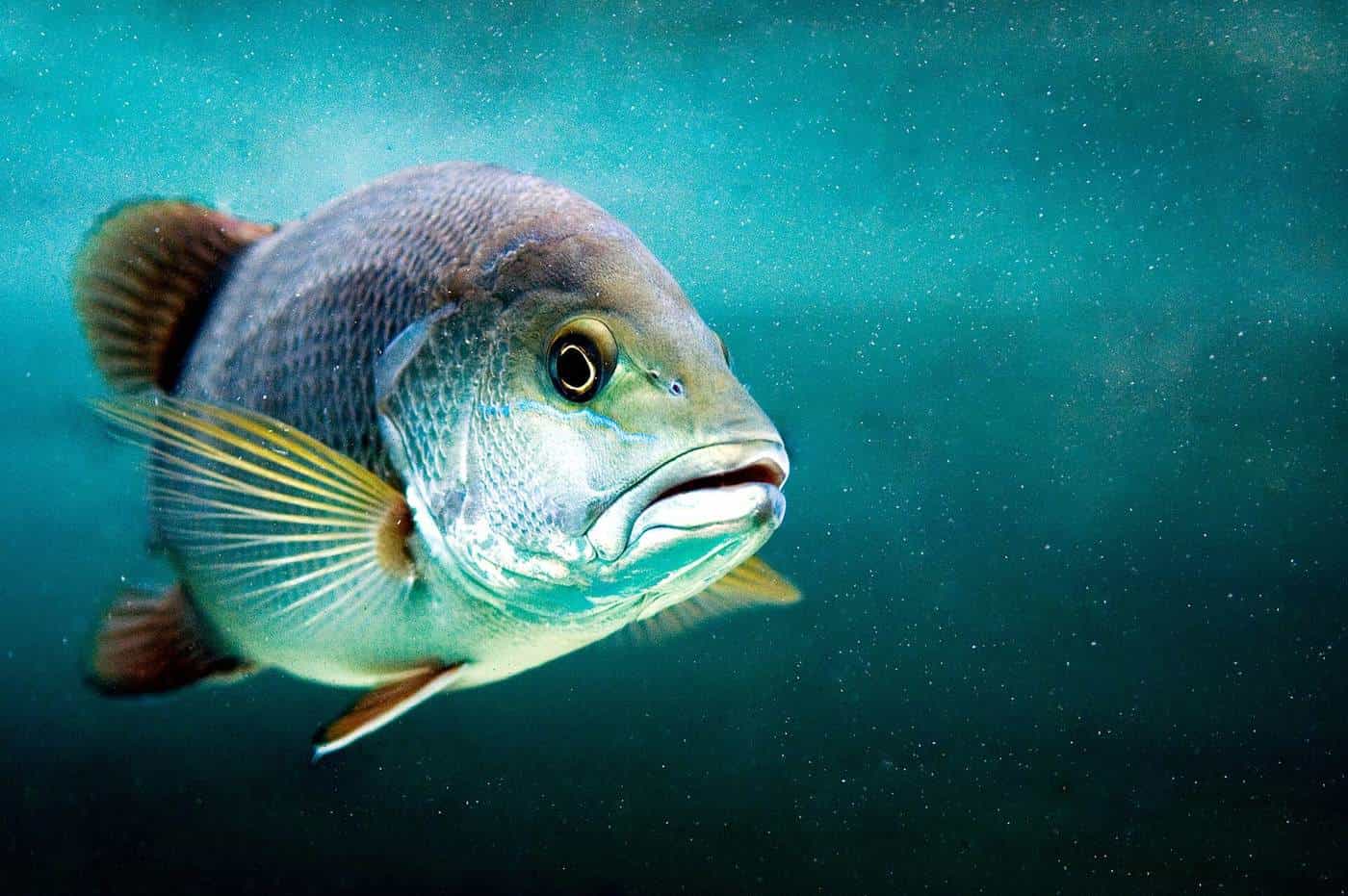
Mangrove jack range in colour from burnt orange to copper, bronze and dark reddish-brown, depending on their age and environment. Younger fish caught in estuaries are often darker than older fish from offshore reefs, and may show lighter vertical bands. Like other tropical snappers, they have prominent fangs that they use to seize prey. Wikipedia notes these teeth can cause a nasty injury to unwary anglers.
Life cycle
Mangrove jack are commonly found in mangrove-lined estuaries, and some juveniles move right into fresh water. As they mature, they move offshore to reefs, sometimes a long way from the coast, where they spawn. They are broadcast spawners. In north-eastern Queensland, research found spawning begins around October, peaks in December and declines from January to March, with spawning influenced by the lunar cycle.
Diet and behaviour
Mangrove jack are carnivorous ambush predators, feeding mainly at night on fish, crustaceans, gastropods and cephalopods. They live around mangrove roots, fallen trees, rock walls and other snags where prey shelter. That's why they're so hard to land: when hooked, they dive straight back into cover.
Fingermark
Fingermark, also known as golden snapper (Lutjanus johnii), are another tropical snapper. They are usually found around rocky structure, ledges and deeper holes in estuaries, bays and coastal waters, and are popular with anglers for their fight and eating quality. They often school around structure, which can make them vulnerable to overfishing in a single location. Keep only what you need.
Where to find them on Cape York
Mangrove jack
- Snags - fallen timber and mangrove roots in tidal rivers and creeks.
- Rock bars and rock walls - including man-made structures.
- Creek mouths - especially on the turn of the tide.
- Offshore reefs - for bigger, older fish.
Fingermark
- Rocky headlands and ledges - in bays and estuaries.
- Deep holes - in rivers, especially near the mouth.
- Coastal reefs and wrecks - in deeper water.
Both species are found on the western and eastern sides of the Cape. See our rivers of the western Cape guide and our Cooktown guide.
Techniques
Lures for mangrove jack
Cast hard-bodied lures or soft plastics tight to snags and retrieve them quickly. Many strikes come within the first metre or two of the cast. Set the drag firm, and be prepared to lift the fish away from cover immediately. Surface lures at dawn, dusk and at night can also be effective.
Bait
Live baits such as prawns and small baitfish work well for both species. Fish them around snags and ledges, close to the bottom. Fingermark are often caught on live baits fished in deep holes on the tide change.
Tackle
Use strong braid and a heavy leader to resist abrasion against snags and teeth. A short, powerful rod helps lever fish out of cover.
Handling
Mangrove jack teeth are sharp. Use a lip grip or pliers, and keep your fingers away from the mouth. Spines on the dorsal fin and gill covers can also cause injury.
For release, keep the fish in the water as much as possible, support it horizontally, and remove hooks quickly. Fish brought up from deeper water may suffer barotrauma, and should be returned to the water quickly.
The ciguatera risk
Ciguatera fish poisoning is caused by eating fish containing ciguatoxins, which build up in some reef fish. According to Wikipedia, mangrove jack on reefs are sometimes confused with red bass (Lutjanus bohar), a known carrier of ciguatera. Red bass is usually darker, has fewer dorsal-fin spines, has scale rows on the back that rise obliquely from the lateral line, and has a deep groove from the nostrils to the eyes. If you're not sure what you've caught, release it.
According to the Queensland Government, chinamanfish, red bass and paddletail present a particularly high risk of ciguatera and are no-take species: if you catch one accidentally, return it to the water immediately. Many other warm-water fish can carry the toxin, including coral trout, Spanish mackerel, red emperor and trevally. The toxin does not change the look, smell or taste of the fish, and cooking or freezing does not destroy it.
Croc safety
Snags and mangroves are prime crocodile habitat. Don't climb out onto fallen logs to free a snagged lure, don't lean over the side of a small boat, and don't stand in water to fish. See crocodile safety for anglers.
Jack and fingermark checklist
0 of 6 done
Ticks are saved in this browser only.
Seasons and timing
Mangrove jack are often more active in warmer water, and many anglers find them easier to catch during the warmer months, around tide changes and in low light. On Cape York, though, the warmer months overlap with the build-up and wet season, when access is limited. Dry-season trips can still produce good fish, especially on warmer days and around the turn of the tide. Fingermark are often found on the change of tide in deeper water.
Key points
Jack and fingermark in brief: fish hard against snags, rock bars and deep holes; use strong braid, heavy leaders and firm drags; handle fish with lip grips because of their teeth; learn to tell mangrove jack from red bass, which is no-take and a high ciguatera risk; and check the current size and possession limits before keeping any fish. Above all, never wade or climb onto logs to free a snag. In croc country, a lost lure is always the better choice.
Related guides
See our barramundi guide and Spanish mackerel and pelagics guide.
Frequently asked questions
What is a mangrove jack?
The mangrove jack (Lutjanus argentimaculatus), also called the mangrove red snapper, is a snapper of the Indo-Pacific. Despite its name, it is not closely related to bream, trevally (jacks) or barramundi.
What size do mangrove jack grow to?
According to Wikipedia, the maximum recorded length is 150 cm, but 80 cm is most common. Big jacks are usually found on offshore reefs, while younger fish live in estuaries.
What are the size and possession limits for mangrove jack and fingermark?
Queensland sets size and possession limits for both species, and these can change. Check the current tidal-water limits on the Queensland Government website or in the Qld Fishing 2.0 app before you fish.
Can mangrove jack be confused with red bass?
Yes. On reefs, mangrove jack are sometimes confused with red bass (Lutjanus bohar), a known carrier of ciguatera toxin and a no-take species in Queensland. Red bass is usually darker, with fewer dorsal-fin spines and a deep groove from the nostrils to the eyes. If in doubt, release it.
When do mangrove jack spawn?
Research in north-eastern Queensland found that spawning begins around October, peaks in December and declines from January to March, according to Wikipedia.
Sources and further reading
Facts on this page were checked against these primary and official sources. Conditions change — confirm before you travel or buy.
- Mangrove red snapper — Wikipedia
- Size and possession limits in tidal waters — Queensland Government
- Naturally occurring seafood toxins — Queensland Government