Cape York is one of the great fishing destinations in Australia, and it stays that way partly because of the rules that protect its fish. For visitors, though, the rules can seem complicated. There are two sets of closed seasons for barramundi, different limits for Spanish mackerel on each coast, marine park zoning on the east coast, and access rules on Aboriginal land.
This guide explains the main rules in plain English. It is not legal advice and it is not a complete list. Rules change, so always check the official sources, linked on this page, before you fish.
Who makes the rules
- Queensland Government - sets recreational fishing rules for Queensland waters, including size and possession limits, closed seasons, gear rules and protected species. This includes recreational and charter fishing in the Torres Strait, according to the Protected Zone Joint Authority.
- Great Barrier Reef Marine Park Authority - manages zoning in the Great Barrier Reef Marine Park, which covers much of the east coast of Cape York.
- Queensland Parks and Wildlife Service - manages national parks, including camping permits.
- Traditional Owners, land trusts and councils - manage access to Aboriginal and Torres Strait Islander land, which covers much of the Cape.
Licences and permits
According to the Queensland Law Handbook, no licence is required for recreational fishing in Queensland tidal waters. Permits are required to fish some stocked dams. Separately, you may need camping permits for national parks and permission or permits to access Aboriginal land.
Closed seasons
A closed season is a period when you can't take or possess a species. On Cape York, the most important ones are:
| Species | Area | Closed season |
|---|---|---|
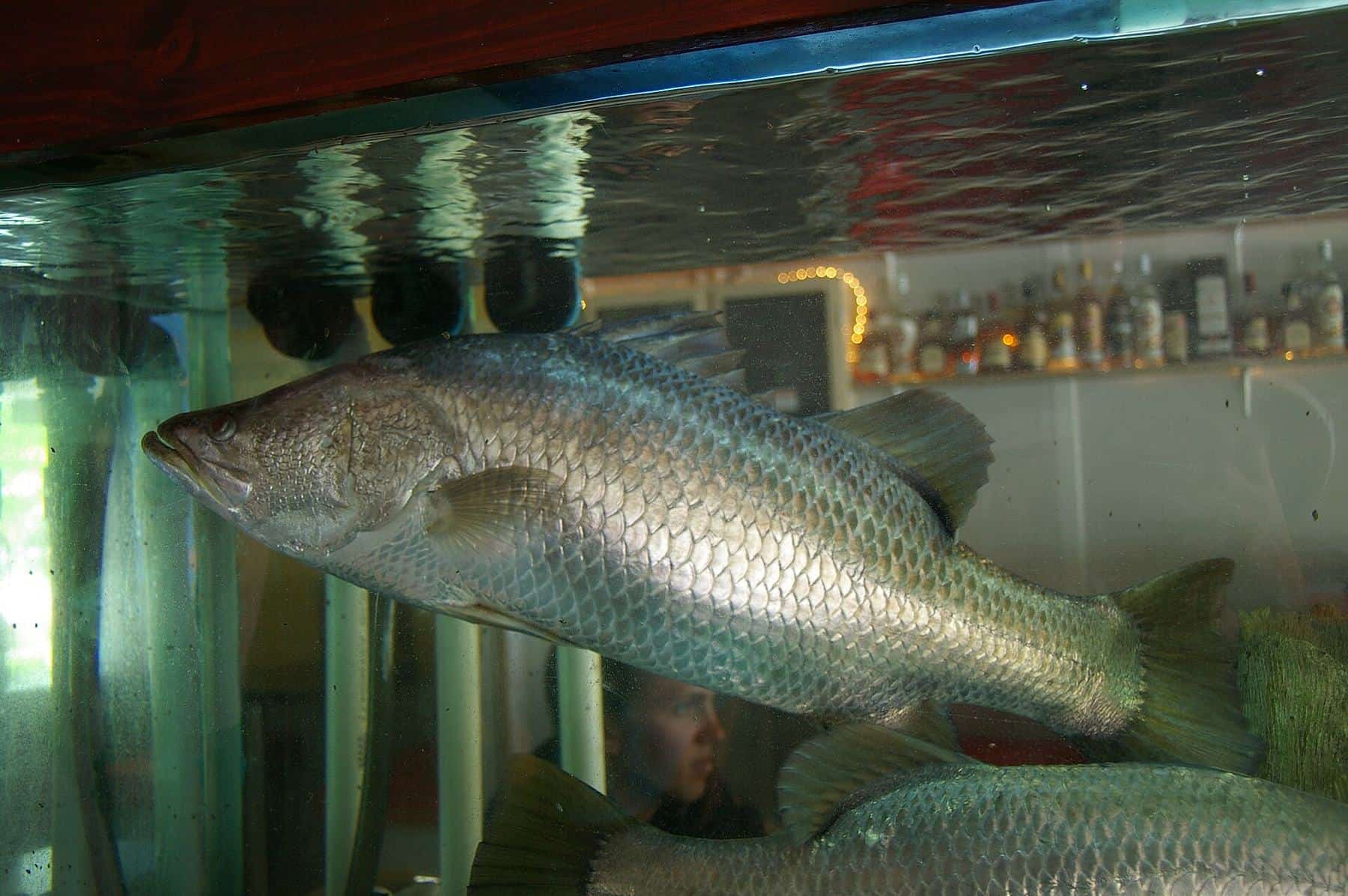
| Barramundi | Gulf of Carpentaria | 12 noon 7 Oct to 12 noon 1 Feb; no possession on a boat from 17 Oct |
| Barramundi | East coast | 12 noon 1 Nov to 12 noon 1 Feb |
| Coral reef fin fish | East coast | Two five-day closures in Oct and Nov, around the new moon |
| Spanish mackerel | East coast | Closed seasons apply; check current dates |
Our season checker shows the barramundi status and key warnings for any month. Always confirm with the official closed seasons page.
Size and possession limits
Size limits set the minimum and sometimes maximum length of fish you can keep. Fish are measured from the tip of the snout to the end of the tail. Possession limits set the maximum number of a species you can have at any one time.
58–120 cm
Barramundi
5 per person
75 cm
Spanish mackerel minimum
Limits vary by coast
20
Trevally combined limit
No size limit
| Species | Size limit | Possession limit |
|---|---|---|
| Barramundi | 58–120 cm | 5 per person; 10 per boat with 2+ aboard |
| Spanish mackerel (east coast) | 75 cm minimum | 1 per person; 4 per boat with 4+ aboard |
| Spanish mackerel (Gulf) | 75 cm minimum | 3 per person; 6 per boat |
| Trevally | No size limit | 20 combined |
| Coral reef fin fish | Varies by species | 20 combined, with species limits |
| Mangrove jack, fingermark | Check current rules | Check current rules |
Remember:
- A possession limit is not a daily bag limit. It includes fish at your camp and in your freezer.
- Where no specific limit applies, a general possession limit of 20 applies.
- Keep fish in a form that can be measured and identified until you get home, under Queensland's rules on filleting and processing. Check the details before you clean your catch.
No-take and protected species
Some fish must not be kept. Examples include potato rockcod and Queensland groper. Because of their high ciguatera risk, the Queensland Government also lists chinamanfish, red bass and paddletail as no-take species. Protected species such as dugongs and turtles must not be harmed. Female mud crabs are protected and must be released.
Marine park zoning
On the east coast, the Great Barrier Reef Marine Park covers much of the water off Cape York. Zoning sets out what is allowed where:
- Green zones (Marine National Park) - no fishing.
- Yellow zones and other zones - limited fishing with conditions.
- Blue zones - more activities allowed, including fishing within Queensland rules.
GBRMPA publishes free zoning maps and an app. It is your responsibility to know which zone you're in.
Aboriginal land and permits
Much of Cape York is Aboriginal land. Access, camping and fishing on some land require permits or permission, and some areas are closed to visitors. Contact the relevant council or Traditional Owner organisation before you go. Some communities also have alcohol restrictions.
Torres Strait
The Torres Strait Protected Zone was established under a treaty between Australia and Papua New Guinea. The Protected Zone Joint Authority manages commercial fishing, but recreational and charter fishing are managed by Queensland. Traditional fishing by Torres Strait Islanders and Aboriginal people is recognised separately. See Seisia and the tip.
Responsible fishing
- Keep only what you need, even within the limits.
- Release unwanted fish quickly and carefully.
- Take your rubbish home, including fishing line and bait bags.
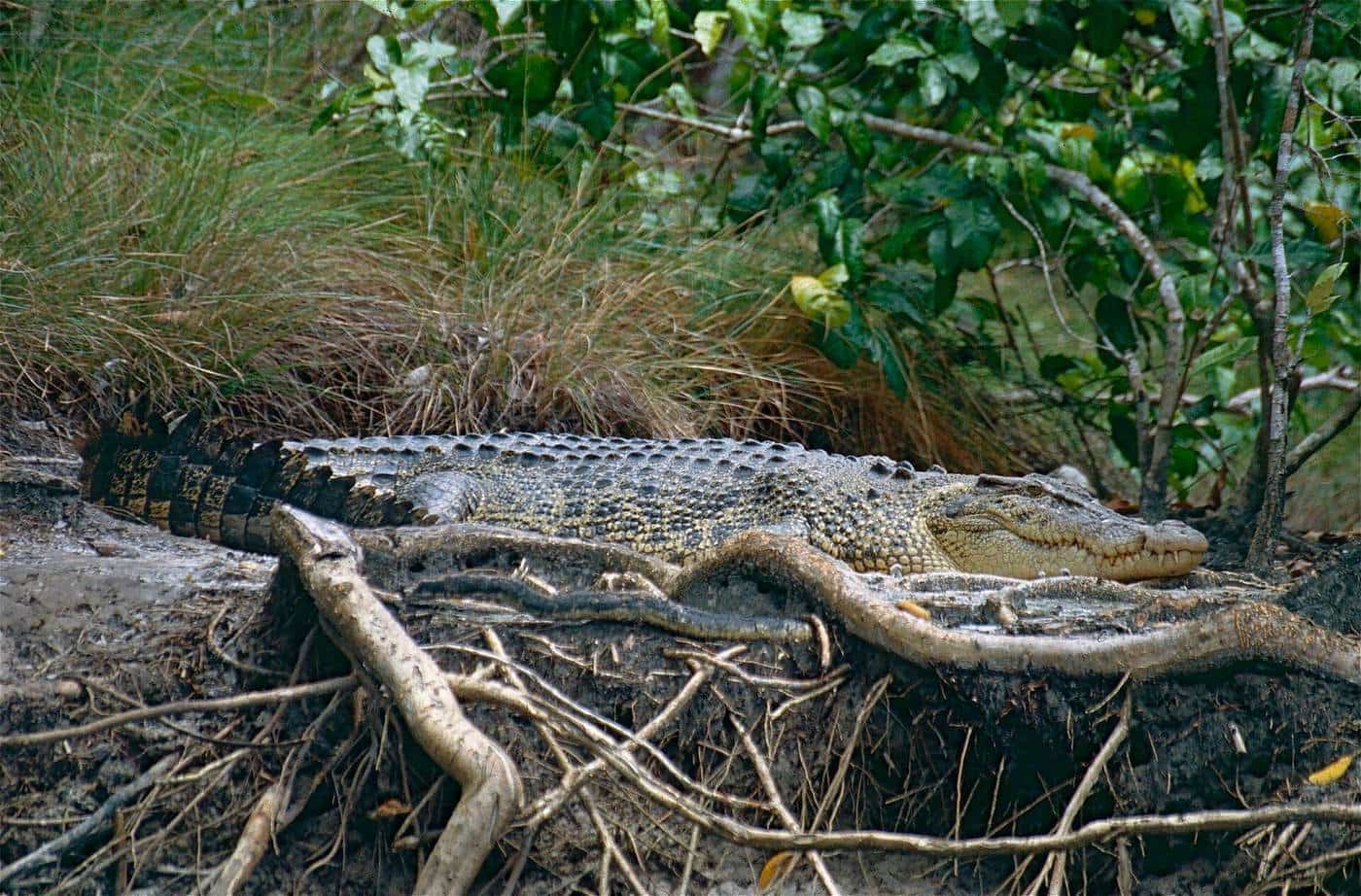
- Dispose of fish frames properly to avoid attracting crocodiles.
- Report illegal fishing to the Queensland fisheries hotline.
Rules checklist
0 of 7 done
Ticks are saved in this browser only.
Common rule mistakes
Visiting anglers most often get caught out by:
- Treating possession limits as daily limits. Fish in the camp freezer count.
- Mixing up the Gulf and east coast barramundi closures. The Gulf closure starts earlier, on 7 October, and includes a ban on possession on a boat from 17 October.
- Fishing in a green zone. Check GBRMPA zoning before every trip on the east coast.
- Keeping an oversized barramundi. Fish over 120 cm must be released.
- Keeping a no-take species such as a red bass or potato rockcod.
- Filleting fish at sea in a way that prevents them being identified or measured. Check the rules before you clean your catch.
Measuring fish
Carry a measuring device or a measuring sticker on your boat or esky. Measure fish quickly, on a wet surface, with the mouth closed, from the tip of the snout to the end of the tail. If a fish is borderline, release it.
Key points
The rules in brief: no licence is needed for recreational fishing in Queensland tidal waters, but size limits, possession limits, closed seasons and no-take species apply; barramundi closures differ between the Gulf and the east coast; marine park zoning applies on the east coast; and access permits may be needed for Aboriginal land. Check the Qld Fishing 2.0 app before every trip, because rules change.
Related guides
See barramundi and crocodile safety for anglers.
Frequently asked questions
Do I need a fishing licence on Cape York?
No licence is required for recreational fishing in Queensland tidal waters, according to the Queensland Law Handbook. Permits are required for some stocked dams, and marine park, national park and Aboriginal land rules may also apply.
What is a possession limit?
A possession limit is the maximum number of a species you can have at any time, including fish at your camp, in your car or in your freezer. It is not a daily limit.
Which fish are no-take in Queensland?
Examples include potato rockcod and Queensland groper, and, because of their high ciguatera risk, chinamanfish, red bass and paddletail. Check the full list in the official rules.
Where can I check the rules on the water?
The Queensland Government recommends the free Qld Fishing 2.0 app, which includes rules and closures. GBRMPA publishes zoning maps for the Great Barrier Reef Marine Park.
Is this page legal advice?
No. This is a plain-English summary for trip planning. Rules change, and the official Queensland and Australian Government sources are the only authority.
Sources and further reading
Facts on this page were checked against these primary and official sources. Conditions change — confirm before you travel or buy.
- Recreational fishing rules — Queensland Government
- Size and possession limits in tidal waters — Queensland Government
- Closed seasons — Queensland Department of Primary Industries
- Zoning — Great Barrier Reef Marine Park Authority
- Fisheries — Queensland Law Handbook
- Objectives and functions — Protected Zone Joint Authority