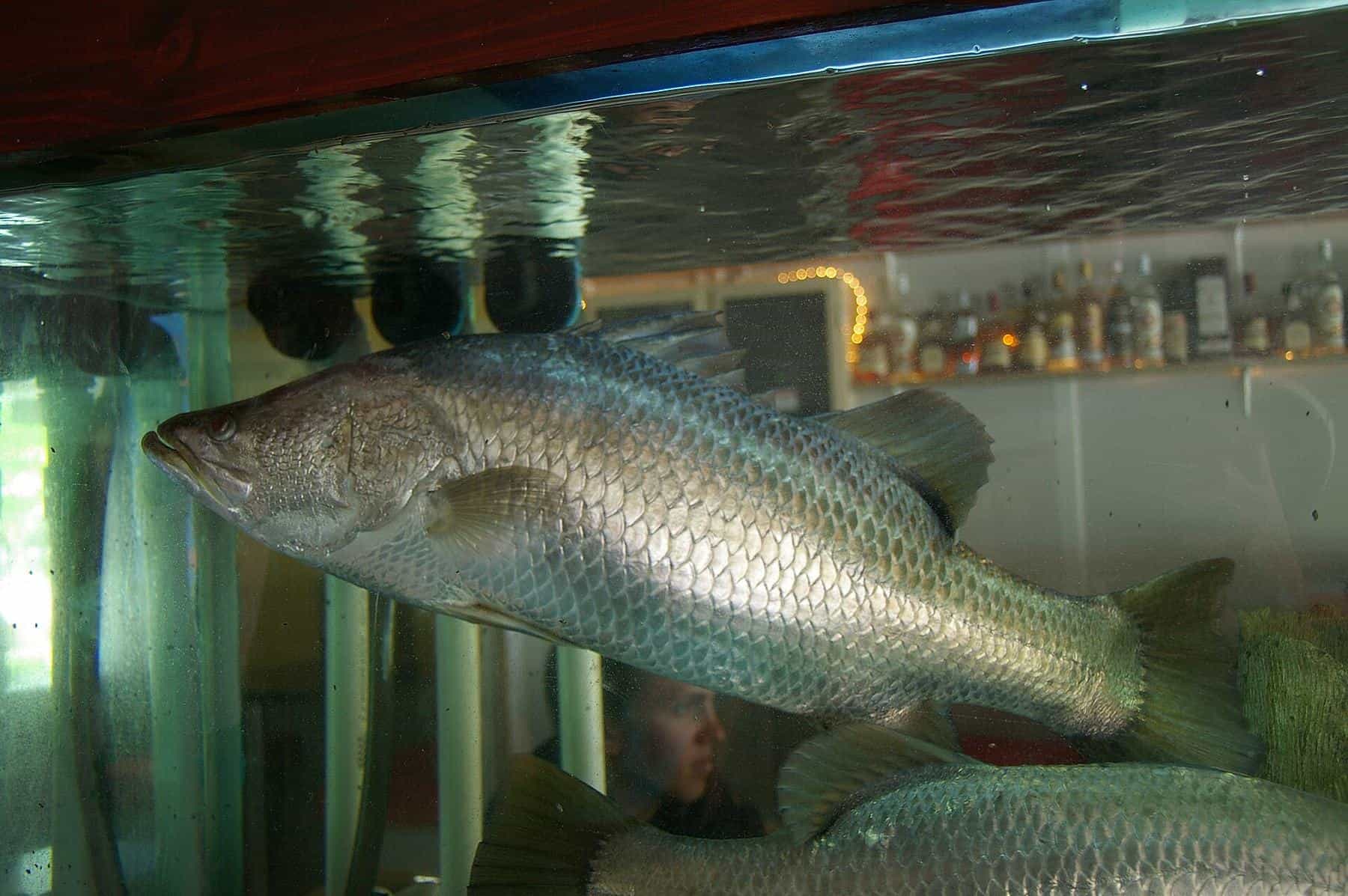
Cape York's reputation as a fishing destination rests on a handful of species that are hard to find, hard to fool and hard to land anywhere else in Australia. Barramundi are the headline act, but the mangrove jack that bust you off in the snags, the fingermark on the rock bars and the Spanish mackerel and giant trevally that tear through bait schools are just as memorable.
This hub gathers our species guides. Each one explains the fish's biology and habitat, how anglers usually target it, and the Queensland rules that apply. We take our biology from reputable references and our rules from the Queensland Government, and we always recommend checking the current rules before you fish. We do not publish catch claims or invented statistics.
Our species guides
- Barramundi: the icon of northern Australia, a fish that moves between fresh and salt water and changes sex as it grows. Strict closed seasons and a slot limit apply in Queensland.
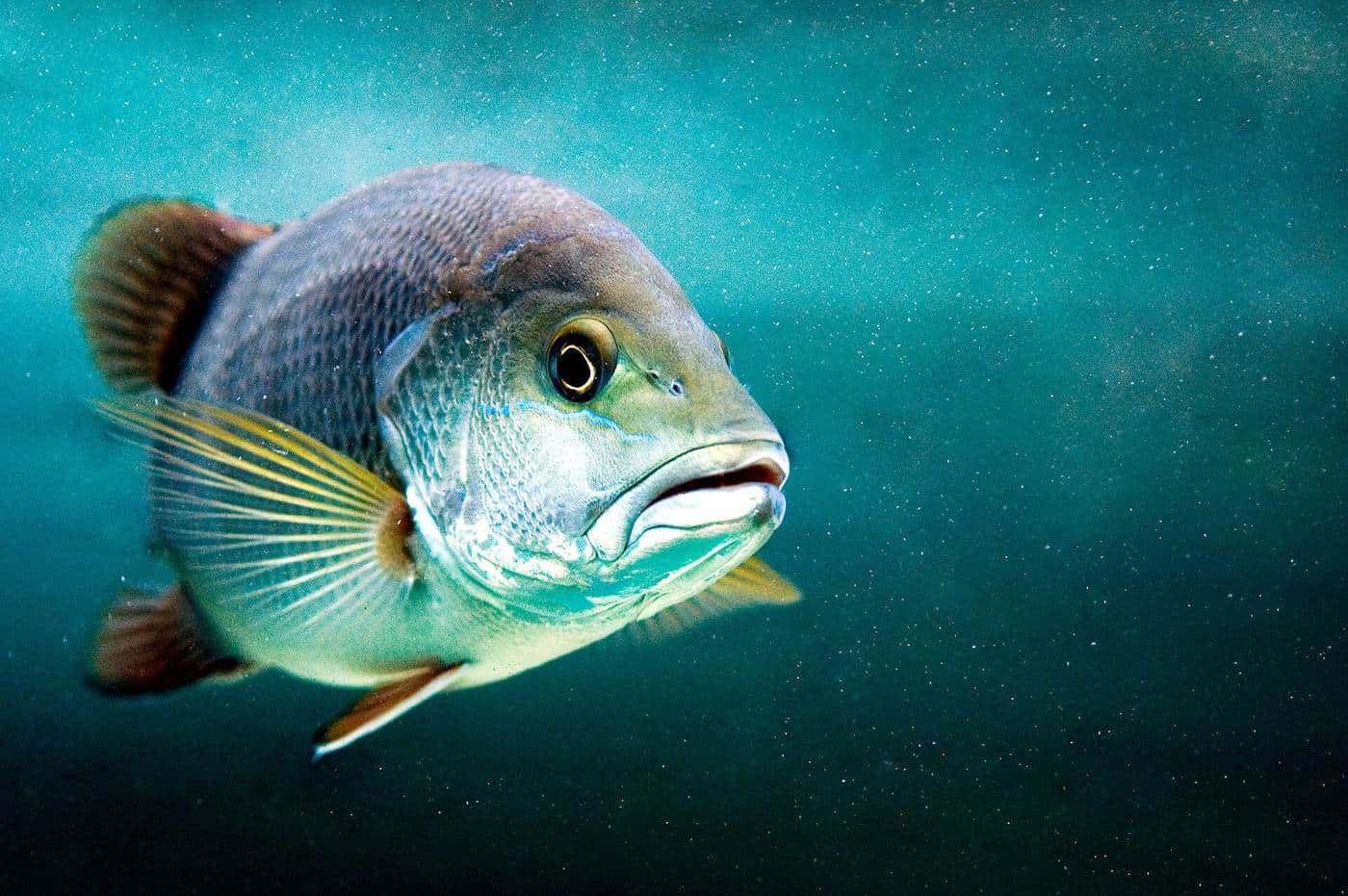
- Mangrove jack and fingermark: two hard-fighting members of the snapper family that live around snags, rock bars and inshore reefs.
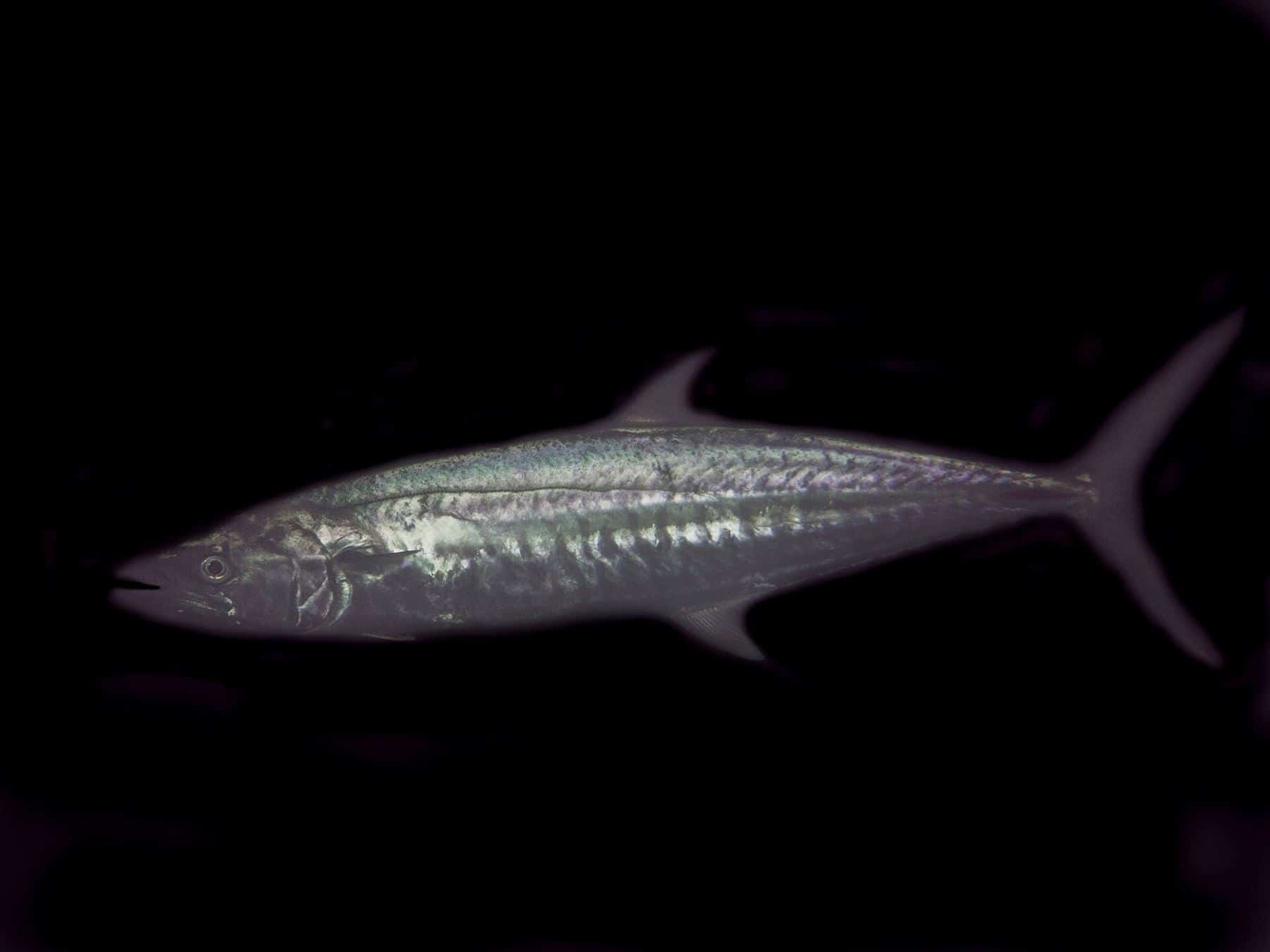
- Spanish mackerel and pelagics: Spanish mackerel, giant trevally, queenfish and other fast predators of open water.
Quick reference
58–120 cm
Barramundi
Size limit (Qld)
20
All trevally
Combined possession limit
75 cm
Spanish mackerel
Minimum size (Qld)
| Species | Typical habitat | Key Queensland rules |
|---|---|---|
| Barramundi | Rivers, estuaries, lagoons, coast | 58–120 cm; possession limit 5 per person (10 per boat with 2+ people); closed seasons |
| Mangrove jack | Snags, mangroves, rock bars, inshore reefs | Size and possession limits apply; check current rules |
| Fingermark (golden snapper) | Rock bars, inshore reefs, wrecks | Size and possession limits apply; check current rules |
| Spanish mackerel | Reefs, headlands, open water | Minimum 75 cm; possession limits differ between east coast and Gulf; east coast closed seasons |
| Giant trevally | Estuaries to offshore reefs | No size limit; combined trevally possession limit of 20 |
| Queenfish | Estuary mouths, flats, headlands | Check current rules |
This table is a summary only, based on Queensland Government information checked in October 2026. Rules change, and some depend on whether you are in Gulf or east coast waters. Always check the current rules, ideally with the Qld Fishing 2.0 app.
How Queensland's limits work
Queensland sets size limits to let fish breed before they are taken, and in some cases maximum sizes to protect large breeding fish. Possession limits set the total number of a species you can have at any one time. The Queensland Government stresses that a possession limit is not a daily limit: it includes fish you have at home or in your freezer.
If a tidal species is not listed, a general possession limit of 20 applies. Some species are no-take, such as potato rockcod and Queensland groper, and must be returned to the water immediately. Coral reef fin fish have a combined possession limit and two five-day closed seasons each year in October and November.
Read our fishing rules and closed seasons guide for more.
Catch and release
Many Cape York anglers release most of what they catch, keeping only a feed. Good catch-and-release technique gives fish the best chance of survival:
- Use suitable tackle so you can land fish quickly rather than playing them to exhaustion.
- Consider single or barbless hooks, which are quicker to remove.
- Minimise time out of the water. Have pliers ready and take photos quickly.
- Support the fish horizontally and avoid touching the gills.
- Wet your hands before handling fish, or use a wet towel or soft net.
- Release fish quickly and revive them in the water if needed, but do this from the boat, never by standing in the water in croc country.
During barramundi closed seasons, you cannot target barramundi even for catch and release, because the stress of capture may stop fish from spawning.
Eating your catch
Many Cape York fish are excellent eating. Keep fish you plan to eat on ice straight away, and never clean or fillet fish at the water's edge, at a boat ramp or near camp, where scraps attract crocodiles. Take frames home or dispose of them in a bin, as the Queensland Government advises.
Before you keep a fish
0 of 6 done
Ticks are saved in this browser only.
Identifying your catch
Correct identification matters, because limits, size rules and no-take rules apply species by species. Several Cape York fish are easy to confuse. Mangrove jack can be mistaken for red bass, a no-take species with a high ciguatera risk. Juvenile barramundi can look like other silver estuary fish, and several trevally species look alike. The Qld Fishing 2.0 app includes identification help. If you can't identify a fish with confidence, release it.
The barramundi closures at a glance
Because barramundi are the most popular target, their closures shape many trips. In Gulf waters the closure begins on 7 October, with a ban on possession on a boat from 17 October; on the east coast it begins on 1 November. Both run until 1 February. Our season checker shows the status for any month.
Related reading
Read the barramundi guide first, then fishing rules and closed seasons.
Guides in this section
Target species
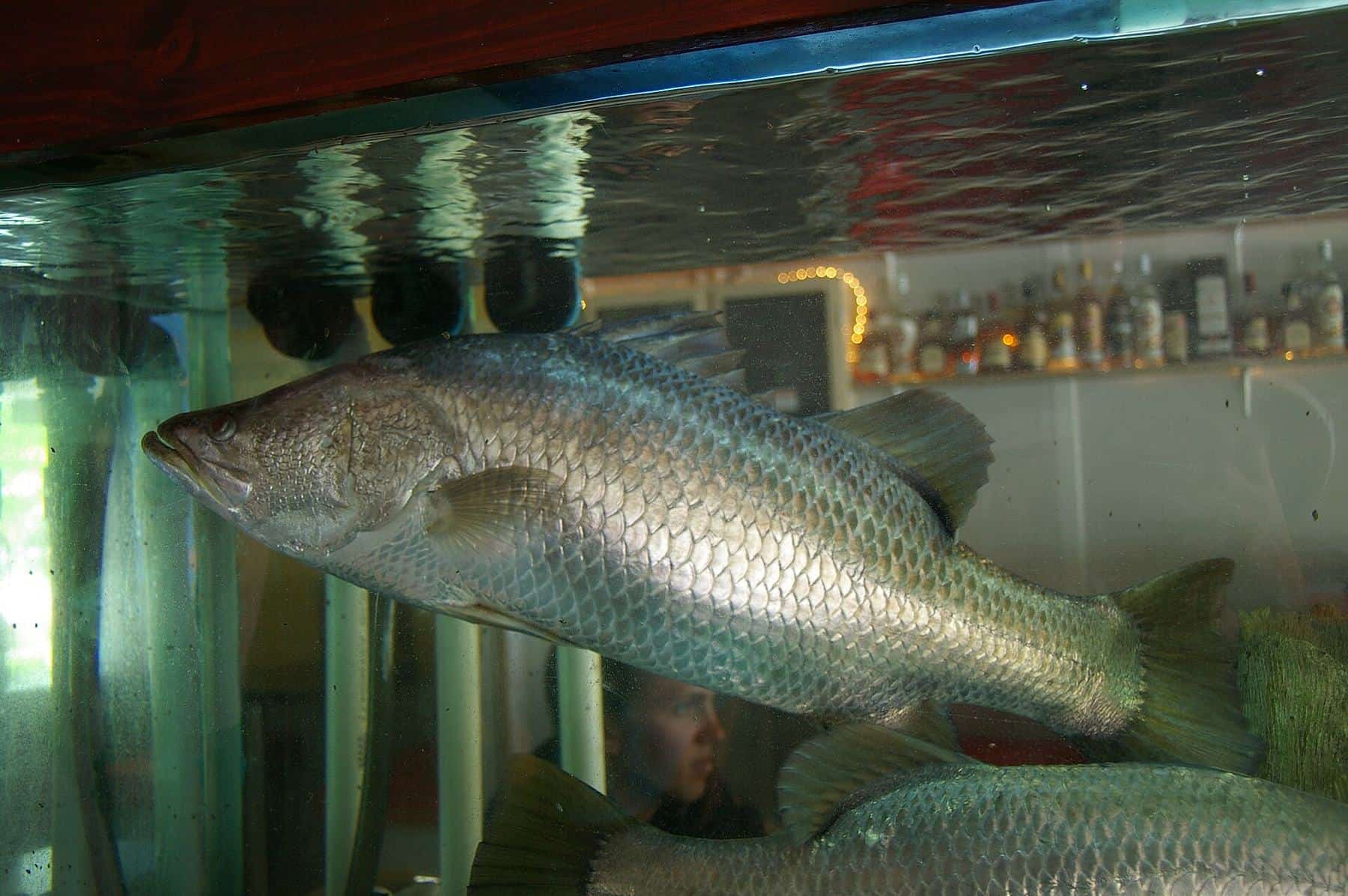
Barramundi on Cape York
Barramundi on Cape York: biology, where and when to find them, Gulf and east coast closed seasons, size and possession limits, and release.
Read · 5 min
Target species
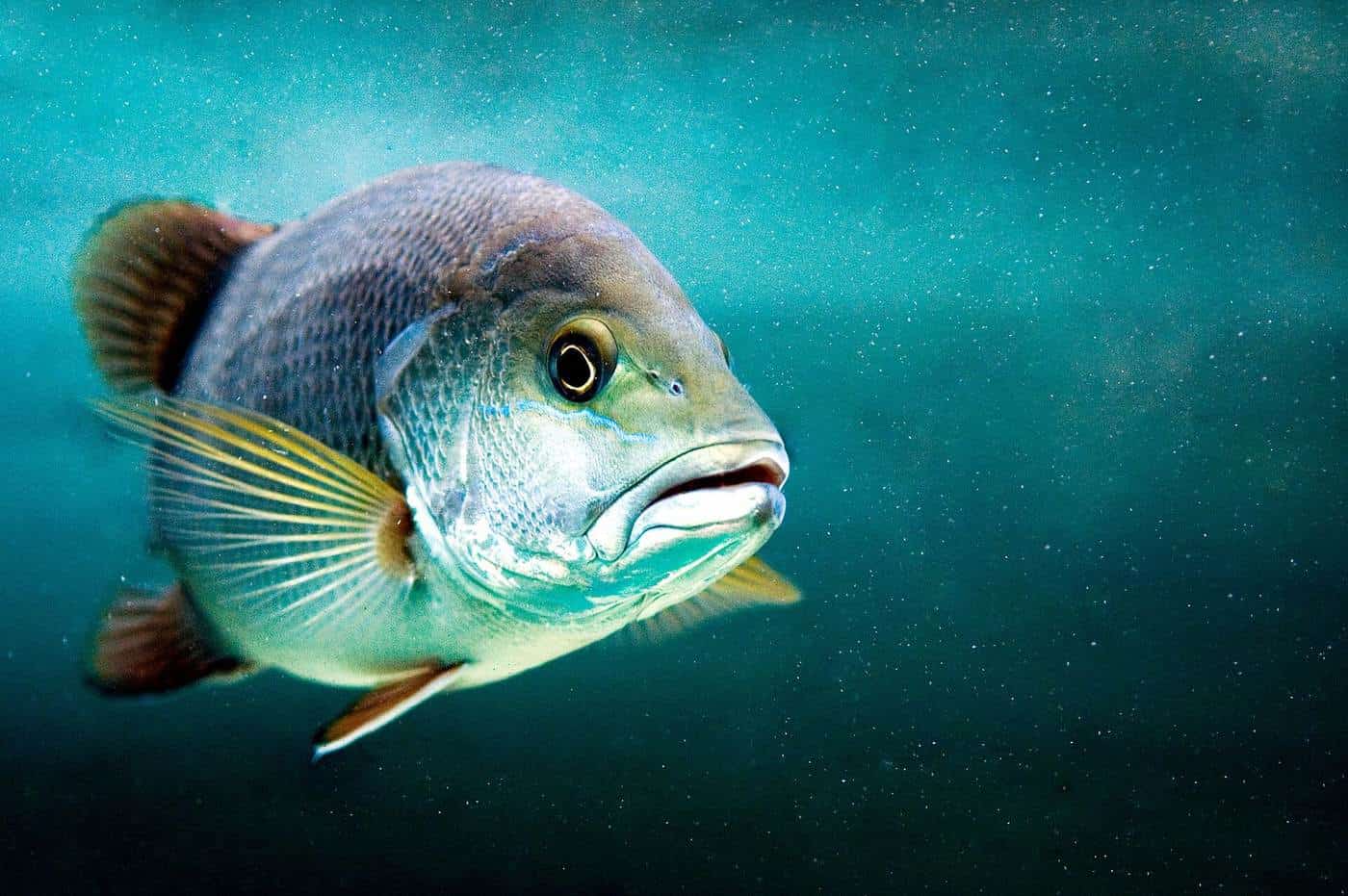
Mangrove jack and fingermark
How to find and catch mangrove jack and fingermark on Cape York: biology, habitat, techniques, handling those teeth, the red bass ciguatera risk, and the rules.
Read · 5 min
Target species
Spanish mackerel and pelagics
Spanish mackerel, giant trevally, queenfish and other pelagics on Cape York: biology, where to find them, limits, ciguatera and boat safety.
Read · 5 min
Frequently asked questions
What fish can you catch in Cape York?
Popular targets include barramundi, mangrove jack, fingermark (golden snapper), threadfin salmon, queenfish, giant trevally, Spanish mackerel and many reef species. Mud crabs are also popular.
Can you keep giant trevally in Queensland?
Trevally have no size limit in Queensland's tidal waters, but there is a combined possession limit of 20 for all trevally species. Many anglers release GTs, which are prized as sportfish rather than table fish.
What is the general possession limit in Queensland?
The Queensland Government says that if a tidal species is not listed on its size and possession limits page, a general possession limit of 20 applies.
Are there no-take fish in Cape York?
Yes. Queensland has protected and no-take species, including potato rockcod and Queensland groper. Learn to identify them and release them immediately.
How do I identify my catch?
The Queensland Government recommends the Qld Fishing 2.0 app and its fish species identification guide. If you are not sure, release the fish.
Sources and further reading
Facts on this page were checked against these primary and official sources. Conditions change — confirm before you travel or buy.
- Size and possession limits in tidal waters — Queensland Government
- Barramundi — Wikipedia
- Mangrove red snapper — Wikipedia
- Narrow-barred Spanish mackerel — Wikipedia
- Giant trevally — Wikipedia