For many anglers, Cape York means one fish: the barramundi. Big, powerful and famous for leaping clear of the water, barra live in the rivers, estuaries and coastal waters right around the Peninsula. Catching one on a lure among the mangroves is a highlight of many trips north.
Barramundi are also heavily managed, with closed seasons, size limits and possession limits designed to protect breeding fish. This guide covers the biology that explains those rules, where and when to find barra on the Cape, and how to handle and release fish well.
About barramundi
The barramundi (Lates calcarifer) is a fish of the Indo-West Pacific, found from the Middle East through South and Southeast Asia to northern Australia. According to Wikipedia, the name barramundi is a loanword from an Aboriginal language of the Rockhampton area meaning "large-scaled river fish". Internationally, the species is often called Asian sea bass.
58–120 cm
Legal size, Qld
Tidal waters
5
Possession limit
Per person; 10 per boat with 2+ aboard
~60 kg
Maximum weight
Per Wikipedia
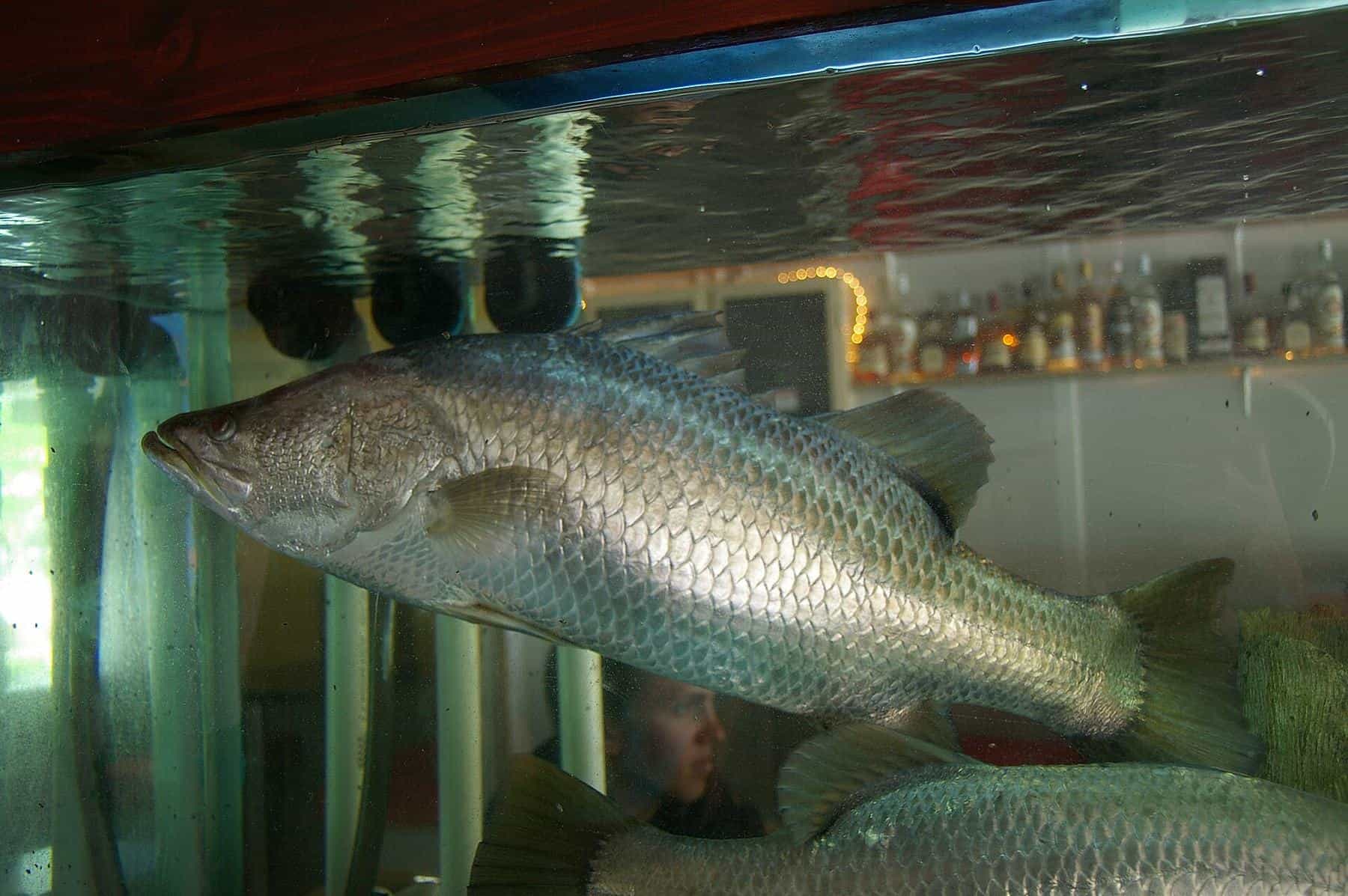
Barra have an elongated body, a large mouth with an upper jaw extending behind the eye, and large silver scales that can darken or lighten depending on their surroundings. They can reach up to 1.8 m long, though catches of that size are rarely documented, and a maximum weight of about 60 kg. A typical length is around 0.6 to 1.2 m.
Habitat
Barramundi are demersal fish of coastal waters, estuaries, lagoons and rivers, and they live in both clear and turbid water, usually at temperatures between 26 and 30 °C. They are euryhaline, meaning they tolerate a wide range of salinity, from fresh to salt water. They feed on crustaceans, molluscs and smaller fish, including their own species. According to Wikipedia, barramundi do not undertake extensive migrations within or between river systems, which has led to genetically distinct stocks in northern Australia.
Breeding and sex change
Barramundi live in rivers and move down to estuaries and tidal flats to spawn. At the start of the monsoon, males migrate downriver to meet females, which lay millions of eggs. The eggs and young need brackish water to develop.
The species is sequentially hermaphroditic. Most individuals mature as males and become female after at least one spawning season, so most large barramundi are female. This is a key reason for Queensland's maximum size limit of 120 cm, which protects big breeding females, and for the closed seasons, which cover the spawning period.
Rules on Cape York
Cape York has two sets of barramundi rules, depending on whether you're fishing in Gulf waters or east coast waters.
| Rule | Gulf of Carpentaria | East coast |
|---|---|---|
| Closed season | 12 noon 7 Oct to 12 noon 1 Feb | 12 noon 1 Nov to 12 noon 1 Feb |
| Boat possession ban | 17 Oct to 1 Feb | - |
| Size limit | 58–120 cm | 58–120 cm |
| Possession limit | 5 per person (10 per boat, 2+ people) | 5 per person (10 per boat, 2+ people) |
In the Gulf, it is also illegal to have barramundi in your possession on a boat from 17 October until the end of the closed season. Use our season checker to check the status for your dates, then confirm with the Qld Fishing 2.0 app or official websites. Rules can change.
Remember that possession limits apply to all the fish you have, including those in your esky or freezer at camp. It is not a daily bag limit.
Where to find barra on the Cape
Barramundi live right around the Peninsula. Good places to look include:
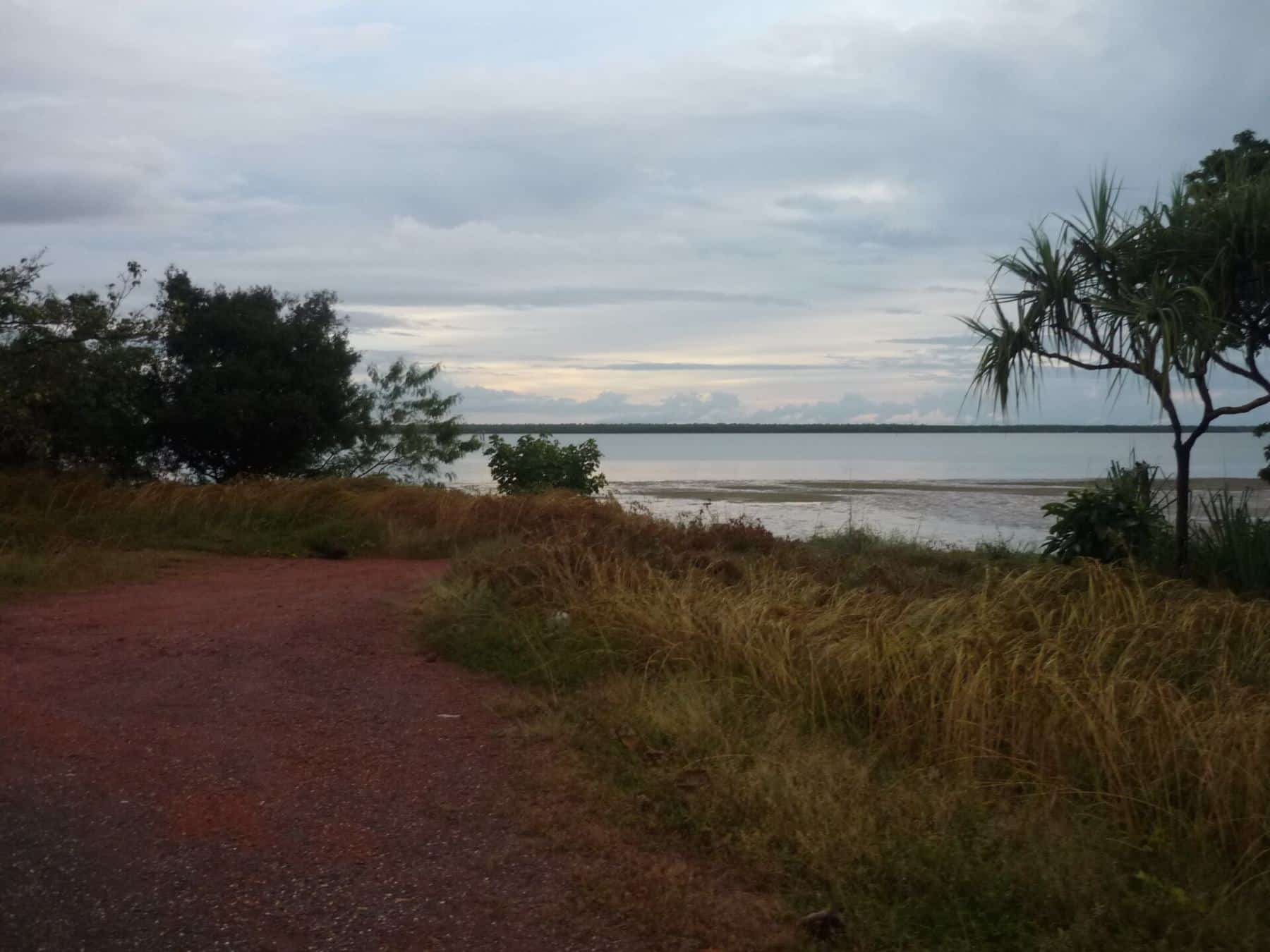
- Tidal rivers and creeks - especially around snags, rock bars, creek mouths and drains. The western Cape rivers around Weipa are famous for barra. See rivers of the western Cape.
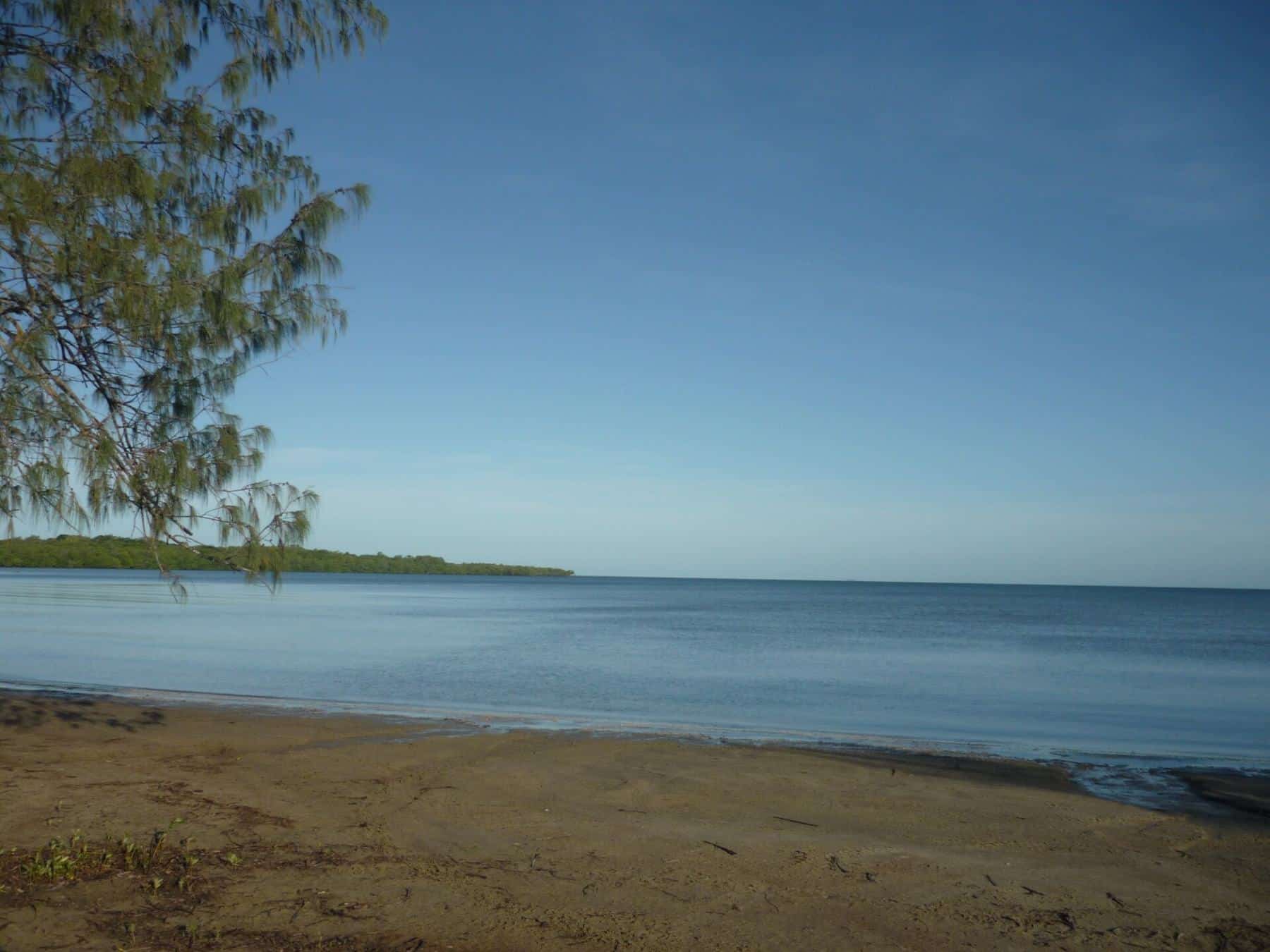
- Estuaries and coastal flats - especially around river mouths at the right tide.
- Freshwater reaches and lagoons - some barra move well upstream.
- East coast rivers - like the Endeavour River at Cooktown. See Cooktown and the Endeavour River.
When to fish
The open season on Cape York runs from February until the closures in October (Gulf) or November (east coast). In practice, most visitors fish in the dry season, roughly May to September, when roads are open. Many anglers find the end of the wet season and the early dry, as floodwaters recede, productive, though access can be limited. The build-up, from October onwards, is hot and humid, and the Gulf closure begins on 7 October.
Barra are often more active around tide changes, at dawn and dusk, and in warmer water. On cooler dry-season days, the warmest part of the day can be best.
Techniques
Lures
Most anglers chase barra on lures: hard-bodied minnows, soft plastics and surface lures cast at snags and drains or trolled along banks. Accurate casting into structure is key. Barramundi are ambush predators, and a lure that passes close to cover is more likely to be struck.
Live bait
Live prawns and baitfish work well, especially around snags and creek mouths. Collecting bait with a cast net should only be done from a boat or jetty in croc country, never while standing in the water.
Tackle
Barra have sharp gill covers and abrasive mouths, so use a strong leader. Many anglers use medium baitcasting or spinning gear with braid and a heavy monofilament or fluorocarbon leader.
Handling and release
Many barra caught on Cape York will be undersized, oversized or simply released by choice. To give them the best chance of survival:
- Keep the fish in the water where possible, or minimise time out of water.
- Support big fish horizontally. Don't hold heavy barra vertically by the jaw.
- Use wet hands or a wet towel to protect the fish's slime coat.
- Remove hooks quickly with pliers. Cut the line if the hook is deep.
- Revive the fish by holding it upright in the water until it swims off strongly.
Be careful about where you release fish in croc country. Don't lean over the water from a low bank or a small boat.
Eating barramundi
Barramundi are excellent eating. Keep only what you need, within the limits, and keep fish cold on ice. Clean fish away from the water's edge and dispose of frames in a bin or take them home. Don't throw them in the water at boat ramps or campsites, where they can attract crocodiles.
Barra trip checklist
0 of 6 done
Ticks are saved in this browser only.
Related guides
Read fishing rules and closed seasons and explore the rivers of the western Cape.
Frequently asked questions
What is the legal size for barramundi in Queensland?
Barramundi must be at least 58 cm and no more than 120 cm to keep in Queensland tidal waters. The possession limit is 5 per person, or 10 per boat with two or more people aboard. Check the current rules before you fish.
When is barramundi season closed on Cape York?
In the Gulf of Carpentaria, barramundi are closed from 12 noon 7 October to 12 noon 1 February, and possession on a boat is banned from 17 October. On the east coast, the closure runs from 12 noon 1 November to 12 noon 1 February.
Why are big barramundi protected?
Barramundi usually mature as males and change to female after at least one spawning season, so most large barramundi are female. The 120 cm maximum size helps protect big breeding fish.
Can I catch and release barramundi in the closed season?
The closed season prohibits taking barramundi. Do not target them during the closure, and if one is caught accidentally, release it immediately with as little harm as possible. Check the current rules for details.
What does the name barramundi mean?
According to Wikipedia, barramundi is a loanword from an Aboriginal language of the Rockhampton area meaning large-scaled river fish.
Sources and further reading
Facts on this page were checked against these primary and official sources. Conditions change — confirm before you travel or buy.
- Barramundi — Wikipedia
- Size and possession limits in tidal waters — Queensland Government
- Closed seasons — Queensland Department of Primary Industries