Estuarine crocodiles are a fact of life on Cape York. They live in the rivers, creeks, estuaries, beaches and coastal waters right around the Peninsula, and large animals are common. For anglers, who spend long hours by the water, often at dawn and dusk, crocodiles are the most serious wildlife risk.
The good news is that a few consistent habits greatly reduce that risk. This guide sets out the Queensland Government's Be Crocwise advice for anglers, with practical notes for fishing trips on the Cape.
Know the animal
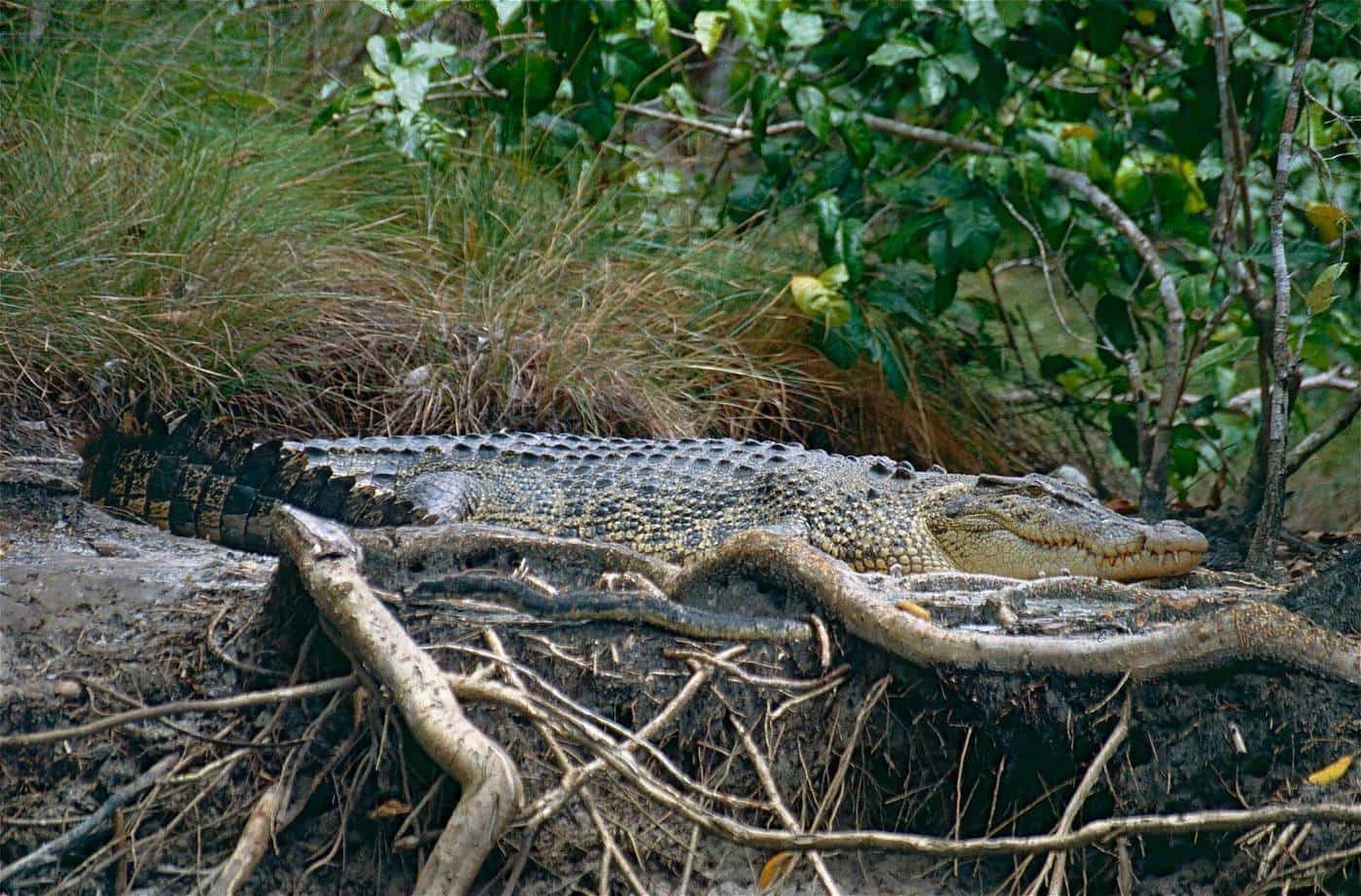
The saltwater or estuarine crocodile (Crocodylus porosus) is the largest living reptile. According to Wikipedia, males can reach about 6 m long and 1,000–1,500 kg, while females are much smaller, rarely exceeding 3 m. It lives in saltwater habitats, brackish wetlands and freshwater rivers from India to northern Australia, and it is regarded as dangerous to humans.
5 m
Stay back from the edge
When fishing
10 m
Distance from crocs
If you see one
Sep–Apr
Breeding season
More active
Crocodiles are ambush predators. They can stay submerged and out of sight for long periods and strike quickly from the water's edge. Crocodiles that have learned to associate people with food, for example from fish scraps at boat ramps, are especially dangerous.
Where crocodiles live
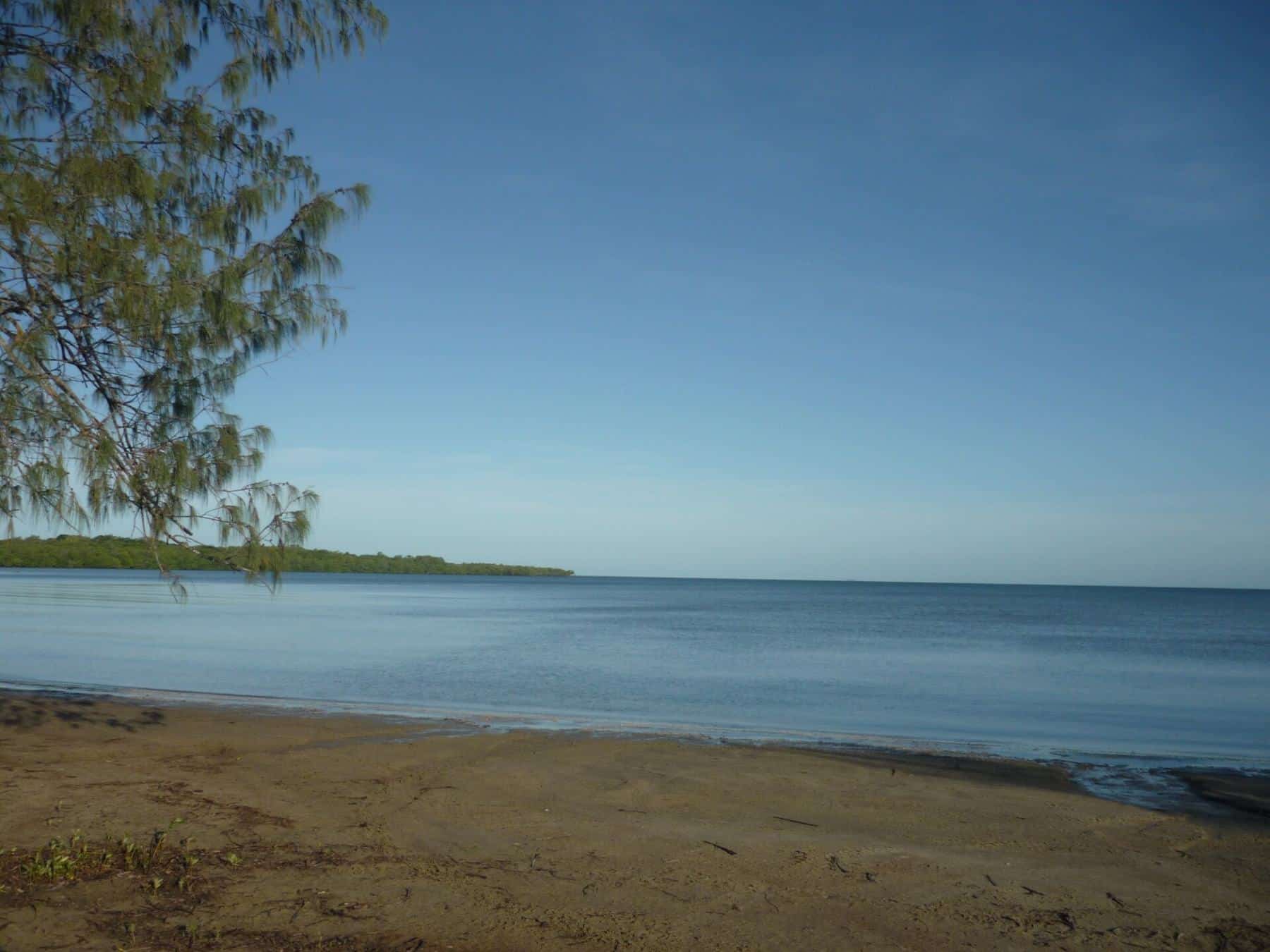
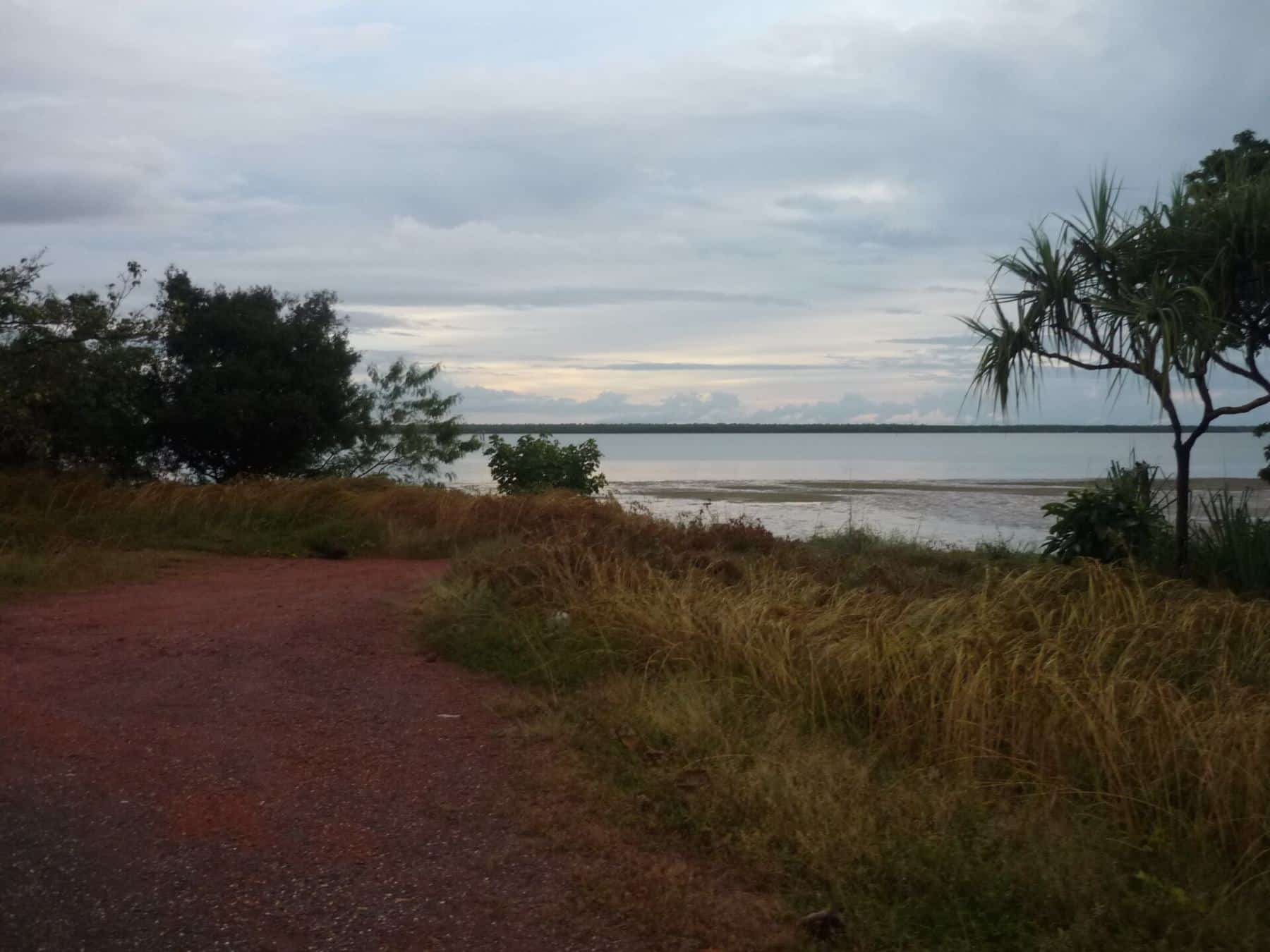
According to the Queensland Government, crocodile habitat extends from Gladstone north through Cape York Peninsula and the Gulf of Carpentaria. Estuarine crocodiles can turn up in any waterway in that area, including places where you can't see them and places with no warning signs. That includes rivers, creeks, swamps, lagoons, beaches, offshore islands and fresh water far inland.
On Cape York, assume every waterway contains crocodiles.
Be Crocwise when fishing
The Queensland Government's advice for anglers:
- Stay at least 5 m back from the water's edge. Fish from higher banks rather than at the water level where possible.
- Never stand on logs or branches overhanging the water.
- Never stand in the water to cast, retrieve a lure or free a snag.
- Use cast nets only from a boat or jetty. Never wade to cast a net.
- Reel in your catch quickly and move back from the water's edge.
- Keep a sturdy object, such as an esky, between you and the water.
- Stay at least 10 m away from crocodiles.
- Dispose of fish scraps properly. Put them in a bin or take them home. It is an offence to discard food at signed public places.
In boats
- Avoid small boats, kayaks and canoes in crocodile habitat.
- Keep your arms and legs inside the boat. Don't lean over the side to wash hands, land fish or retrieve gear.
- Don't hang fish or bait over the side.
- When launching and retrieving, keep the boat or trailer between you and the water, and spend as little time as possible at the edge.
- Don't clean fish at the water's edge or over the side of the boat.
At camp
- Set up camp well away from the water's edge. The Queensland Government notes that crocodiles have attacked people in tents pitched too close to the water. If you can't, choose a spot on top of a high bank that is hard for a crocodile to reach, and camp at least 2 m above the high-water mark.
- Check that previous campers haven't left scraps behind before pitching your tent.
- Wash dishes, prepare food and fillet fish well away from the water.
- Never leave food scraps, fish frames or bait at your campsite or boat ramp.
- If you need to collect water, avoid crouching down and never use the same location twice. Crocodiles are excellent at learning repeated behaviours.
Seasons
The Queensland Government says crocodiles are more active during the breeding season, September to April. Female crocodiles guard their nests and young, and males are more territorial. Floods in the wet season can also bring crocodiles into new areas, including flooded roads and campsites.
Swimming
Don't swim in waterways in croc country. Even clear, inviting water and beaches can hold crocodiles. Only swim in pools or at designated safe locations, and follow local signs.
Reporting crocodiles
Report crocodile sightings, especially animals behaving aggressively or showing no fear of people. The Be Crocwise website explains how to report a sighting and shows recent sightings across Queensland. Obey crocodile warning signs, but remember that no sign does not mean no crocodiles.
Croc-safe angler checklist
0 of 7 done
Ticks are saved in this browser only.
Common mistakes
Most crocodile incidents involve people doing something at the water's edge they didn't think was risky. Common mistakes on fishing trips include:
- Wading out to free a snagged lure. Cut the line instead. A lure is cheap.
- Cleaning fish at the ramp or on the bank. Fish scraps attract crocodiles and teach them to associate people with food.
- Fishing the same spot at the same time every day. The Queensland Government notes crocodiles are excellent at learning repeated behaviours.
- Leaning over the side of a small boat to land, release or photograph a fish.
- Assuming no sign means no crocodiles. Signs are not placed at every waterway, and crocodiles can turn up anywhere in their range.
- Swimming at an inviting beach or creek because it looks clear and calm.
- Letting dogs swim or drink at the water's edge. Dogs can attract crocodiles.
Teaching kids
Children on fishing trips need clear rules, repeated often: stay back from the edge, never paddle or swim, and tell an adult if they see a crocodile or slide marks. Supervise children closely at all times near water, and choose elevated, fenced or jetty fishing spots when fishing with young children.
If you see a crocodile
Move away from the water's edge calmly and stay well back. Don't approach, feed or harass it. Warn others nearby, and report the sighting, especially if the animal is large, aggressive or showing no fear of people.
Key points
Croc safety in brief: assume every waterway on Cape York holds crocodiles; stay at least 5 m back from the edge when fishing and 10 m from any crocodile; never stand in the water; keep an esky or other sturdy object between you and the water; camp well away from the edge; and bin or take home your fish scraps. These habits feel inconvenient for the first day or two, but they quickly become routine, and they are the single most important thing you can do to keep yourself and your group safe on a fishing trip in the north.
Related guides
Read fishing rules and closed seasons and rivers of the western Cape.
Frequently asked questions
How far back from the water should I stand when fishing?
The Queensland Government advises staying at least 5 metres back from the water's edge when fishing in croc country, and never standing on logs or branches overhanging the water.
When are crocodiles most active?
According to the Queensland Government, crocodiles are more active during the breeding season, from September to April.
Where are crocodiles found in Queensland?
Crocodile habitat extends from Gladstone north through Cape York and the Gulf of Carpentaria. Estuarine crocodiles can be found in rivers, creeks, swamps, lagoons, beaches and the sea, and even in fresh water well inland.
Is it safe to fish from a kayak in croc country?
The Queensland Government advises avoiding kayaks, canoes and other small craft in crocodile habitat.
What should I do with fish scraps?
Put them in a bin or take them home. Don't throw them in the water or leave them at boat ramps or campsites. It is an offence to discard food at signed public places in croc country.
How do I report a crocodile sighting?
The Be Crocwise website explains how to report a sighting and lets you view recent crocodile sightings in Queensland. Report crocodiles behaving aggressively or showing no fear of people.
Sources and further reading
Facts on this page were checked against these primary and official sources. Conditions change — confirm before you travel or buy.
- Be Crocwise — Queensland Government
- Fishing in crocodile habitat areas — Queensland Government
- Camping in crocodile habitat areas — Queensland Government
- Saltwater crocodile — Wikipedia