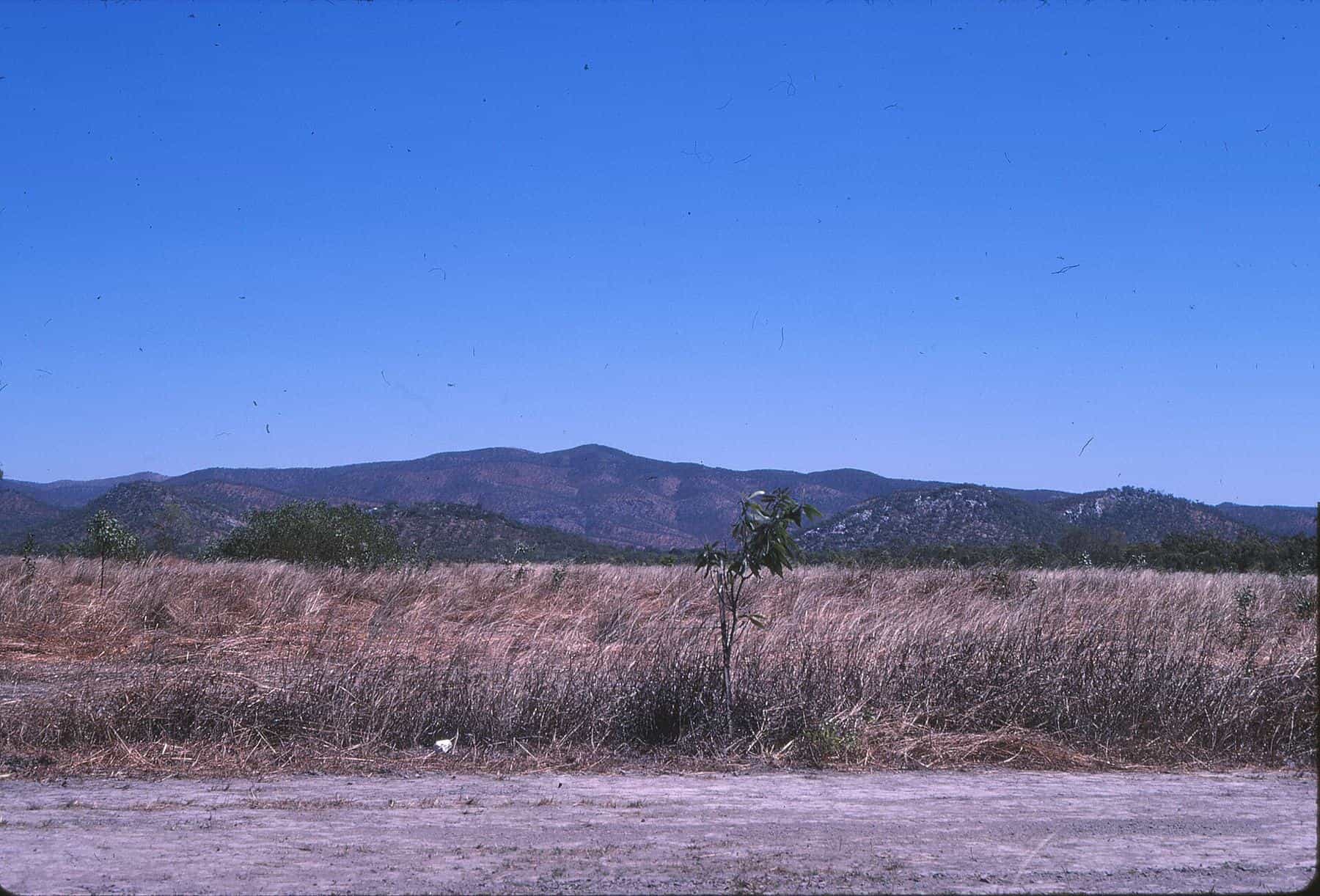
A Cape York fishing trip takes more planning than a weekend at the local estuary. Distances are huge, services are few, weather dictates when you can travel, and the rules and risks are different from those in southern waters. Get the planning right, though, and the reward is some of the best and most remote fishing in Australia.
This hub covers three areas that every visiting angler should understand: the fishing rules, crocodile safety and the practical business of getting there and back. Each guide draws on official sources, which we link to so you can check the latest information yourself.
Our trip planning guides
- Fishing rules and closed seasons: how Queensland's size and possession limits, closed seasons, no-take species, gear rules and marine park zoning apply on Cape York, and how to stay up to date.
- Crocodile safety for anglers: the Queensland Government's Be Crocwise advice for fishing, boating, launching, camping and cleaning your catch.
- Getting to Cape York: the roads, distances, wet and dry seasons, flights, fuel and supplies, and permission to access Aboriginal land.
The planning essentials
Choose your season
Cape York has a pronounced wet and dry season. Most road travel happens in the dry season, roughly May to October, when roads are open. Heavy rain in the wet season, roughly November to April, can close unsealed roads and river crossings for long periods. Wikipedia's climate summary for Weipa describes the wet season there as running from January to April, with high humidity, heavy downpours and occasional monsoonal lows and cyclones.
Your timing also affects what you can catch. The barramundi closed season runs from 7 October to 31 January in the Gulf of Carpentaria and from 1 November to 31 January on the east coast. Use the season checker to see how your dates line up.
Choose your base
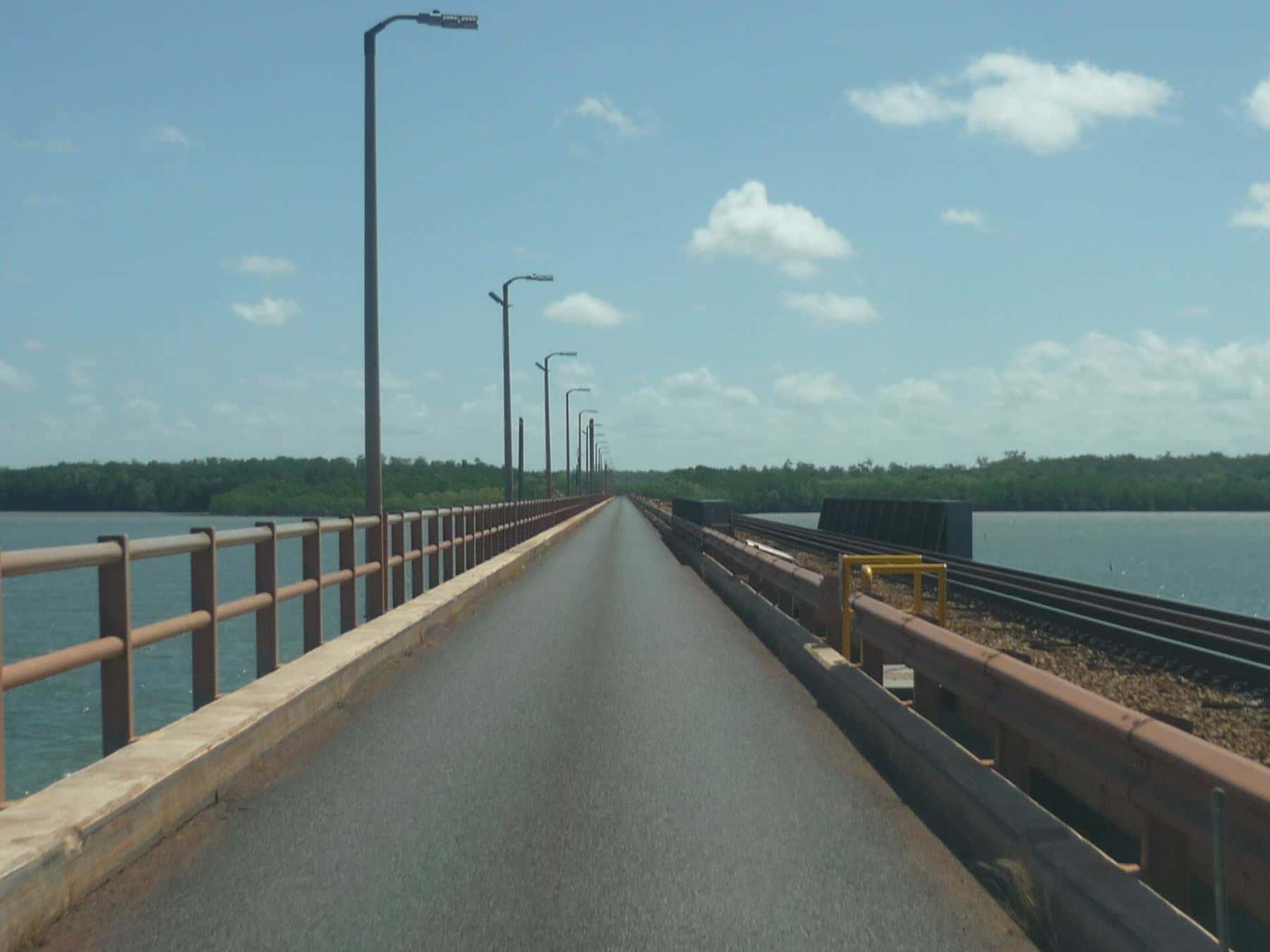
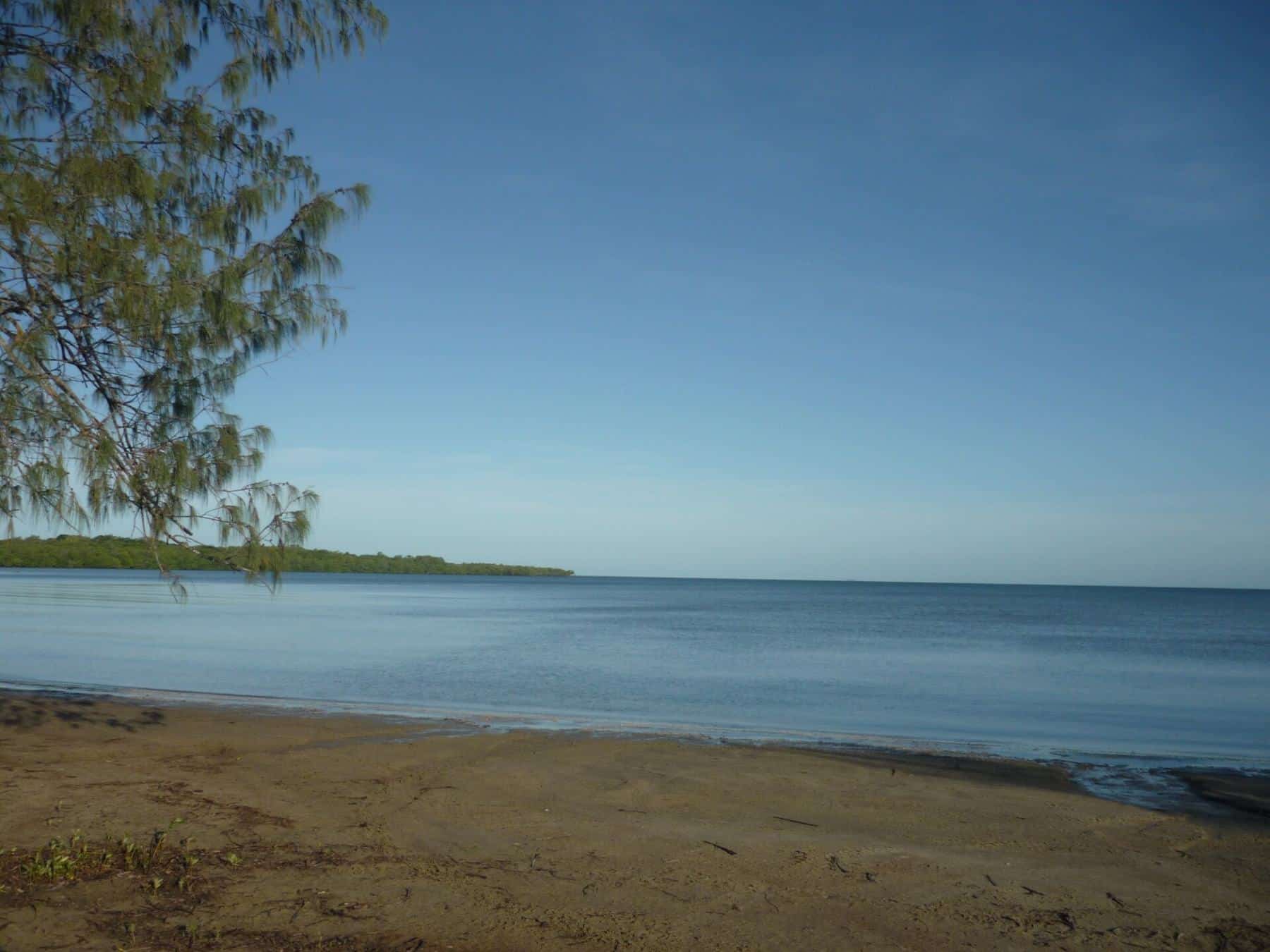
Most visiting anglers base themselves at Weipa, Seisia or Cooktown, where there are fuel, supplies, boat ramps and accommodation. Others camp on remote rivers, which requires full self-sufficiency and the right permissions.
Decide: self-guided or charter?
Bringing your own boat gives freedom, but it means towing a long way on rough roads and learning unfamiliar water, tides and hazards. A local charter or guide brings knowledge, a suitable boat and safety equipment. Many visitors combine the two, starting with a guided day to learn the area.
Safety basics
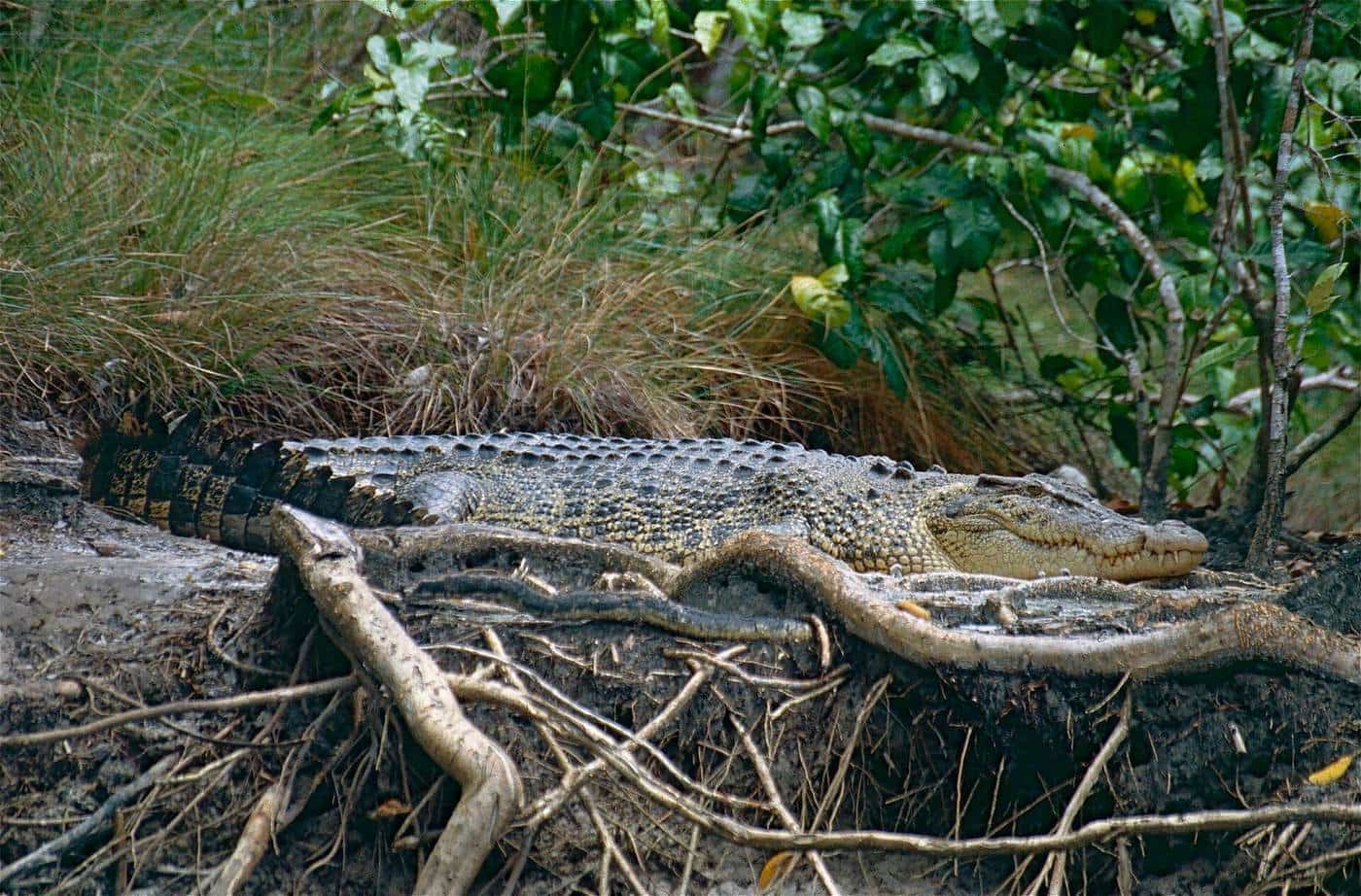
Crocodiles. Estuarine crocodiles live throughout the Peninsula's rivers, estuaries and coast. Stay at least 5 metres back from the water's edge, never stand in the water to fish, keep arms and legs inside the boat and never clean fish at the water's edge. See our crocodile safety guide.
Boating. Tropical waters can turn rough quickly, and tides are large in some areas. Carry the required safety equipment, check the forecast, tell someone your plans and carry an EPIRB or personal locator beacon. Avoid small, unstable craft such as kayaks in crocodile habitat, as the Queensland Government advises.
Heat and sun. Temperatures are high for much of the year. Carry plenty of water, wear sun protection and plan the hottest part of the day around shade.
Remoteness. Medical help can be hours away. Carry a comprehensive first aid kit and know how to use it, and carry a satellite communication device or PLB.
Vehicles. Breakdowns on remote roads are common. Carry spare tyres, tools, recovery gear, extra fuel and water, and know how to use them.
Rules at a glance
- Queensland's recreational fishing rules apply throughout Cape York, including size and possession limits, closed seasons, gear restrictions and no-take species.
- Possession limits are not daily limits; they include fish in your freezer.
- If a tidal species is not listed, a general possession limit of 20 applies.
- East coast waters are within the Great Barrier Reef Marine Park, where zoning decides where fishing is allowed.
- Access to Aboriginal land may require permission or permits.
- The Queensland Government recommends the Qld Fishing 2.0 app for the latest rules.
What to pack
Beyond your fishing gear, a Cape York kit should include a comprehensive first aid kit, a PLB or satellite communicator, plenty of water, sun protection, insect repellent, recovery gear and spares for your vehicle and boat, and a large esky with a plan for keeping your catch cold. Pack lures and leaders suited to snags and toothy fish, plus spare rods, reels and terminal tackle, because tackle shops are few and far between.
Trip planning checklist
0 of 9 done
Ticks are saved in this browser only.
Related reading
Start with getting to Cape York, then read fishing rules and closed seasons.
Guides in this section
Trip planning
Fishing rules and closed seasons
Queensland recreational fishing rules on Cape York in plain English: closed seasons, size and possession limits, no-take species, marine parks, permits.
Read · 5 min
Trip planning
Crocodile safety for anglers
How to fish safely in crocodile country on Cape York: the Queensland Government's Be Crocwise advice for anglers, campers and boaters, explained step by step.
Read · 5 min
Trip planning
Getting to Cape York
How to get to Cape York for a fishing trip: the Peninsula Developmental Road, dry-season timing, wet-season closures, flying in, towing and permits.
Read · 5 min
Frequently asked questions
How far ahead should I plan a Cape York fishing trip?
Many people plan months ahead, especially for the popular dry season. Accommodation and charters in the main towns can book out, and you need time to prepare your vehicle and boat.
What is the best month to fish Cape York?
There is no single best month. Most road trips happen in the dry season, roughly May to October. Barramundi closed seasons start on 7 October in the Gulf and 1 November on the east coast.
Do I need a four-wheel drive?
The Peninsula Developmental Road has long unsealed sections with mud, sand, dust and corrugations. A well-prepared four-wheel drive is strongly recommended, and essential for many side roads and tracks.
Is there mobile coverage on Cape York?
Coverage is limited to towns and some highways. Carry a satellite communication device or personal locator beacon, especially if you are boating or travelling off the main roads.
Can I bring fish home from Cape York?
Possession limits apply to the fish you have at any time, including in your freezer and on the drive home. Fillet rules also apply on boats. Check the current rules before you pack the esky.
How long do you need for a Cape York fishing trip?
Most driving trips allow at least two to three weeks from Cairns to the tip and back, giving time for rough roads, river crossings and several fishing stops. Flying into Weipa, Bamaga or Lockhart River and joining a charter or lodge can work in about a week.
Are there Cape York fishing charters and packages?
Yes. Lodges and charter operators run from places such as Weipa, Seisia and Cooktown, and some offer remote river and reef trips. Check that operators hold the required permits and insurance, what tackle and accommodation are included, and their cancellation policy for weather.
Sources and further reading
Facts on this page were checked against these primary and official sources. Conditions change — confirm before you travel or buy.
- Recreational fishing rules — Queensland Government
- Closed seasons in tidal waters — Department of Primary Industries, Queensland
- Fishing in crocodile habitat areas — Queensland Government
- Peninsula Developmental Road — Wikipedia
- Weipa, Queensland — Wikipedia